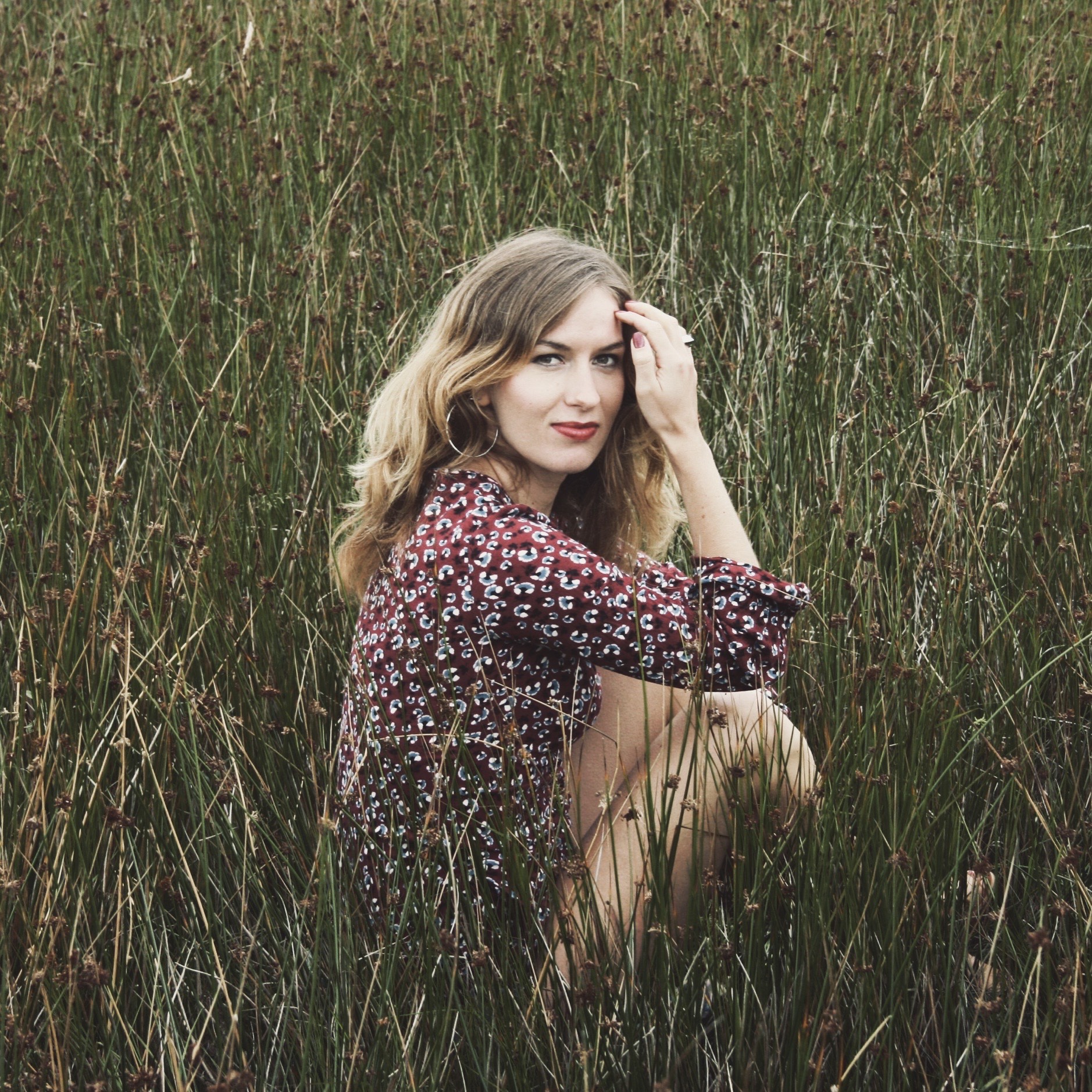
Agnesz Anna
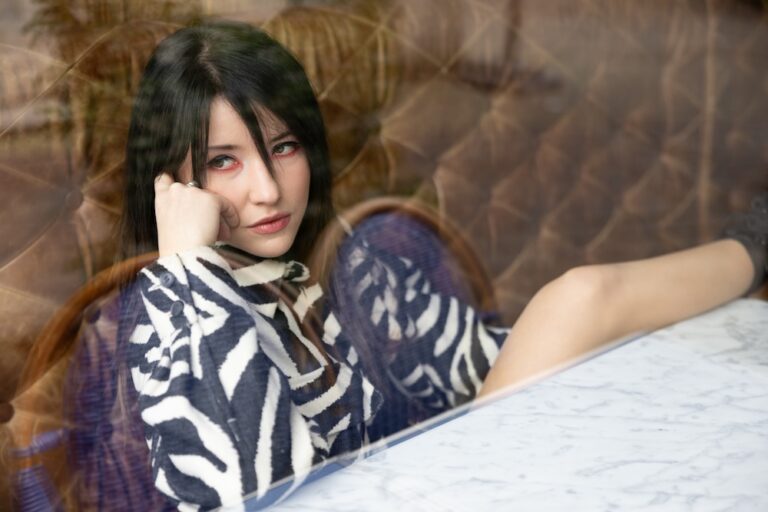
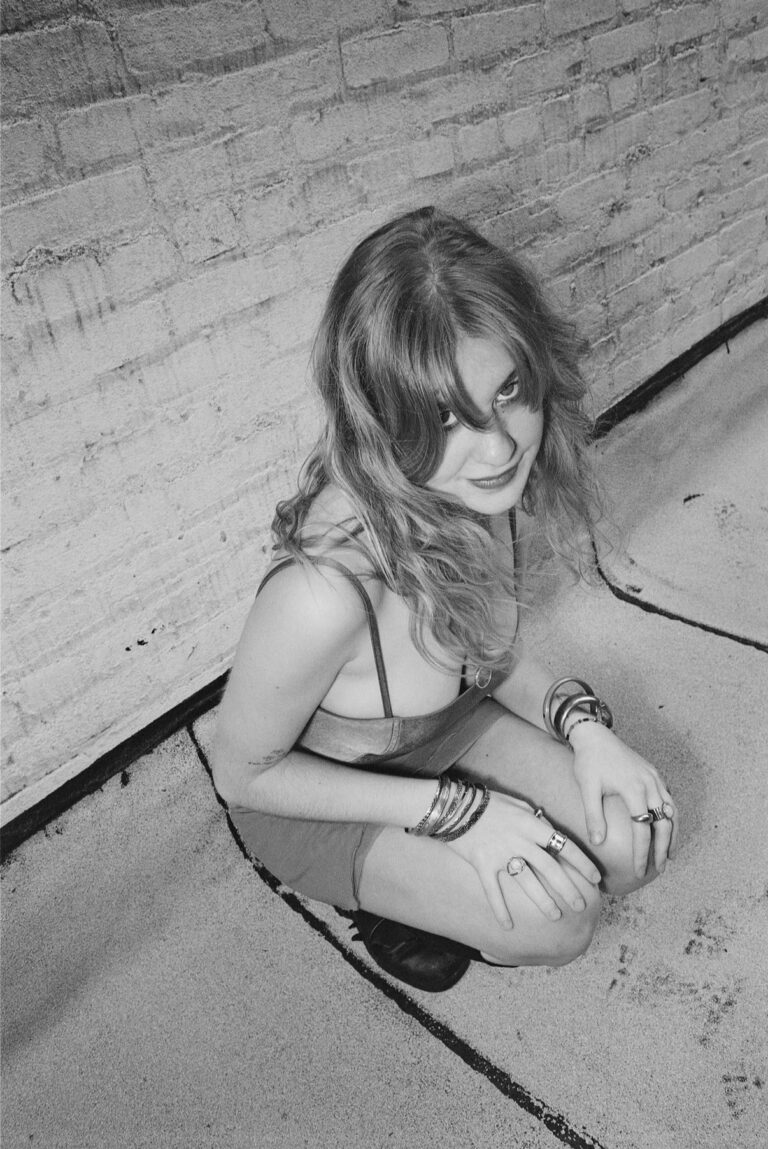
Blending timeless soul with modern indie pop, Agnesz Anna channels the raw emotional honesty of legends like Joni Mitchell and Stevie Nicks, while carving out a sound distinctly her own. Raised across Poland, the Netherlands, Spain, and New York City, and shaped by a deeply personal story of adoption and cultural exploration, her music is an intimate journey through vulnerability, empowerment, and resilience. With two EPs under her belt and a debut album on the horizon in 2025, Agnesz Anna offers a rare glimpse into the creative process of an artist committed to authenticity—melding poetic lyricism, heartfelt storytelling, and real, live instrumentation in an era dominated by digital soundscapes. In this exclusive interview, she opens up about the influences that fuel her artistry, the trials and triumphs of making music with her husband and producer Tim van Elten, and the messages she hopes to share with listeners around the world.
Your music blends the spirit of legends like Joni Mitchell and Stevie
Nicks with a modern indie pop edge. How do you balance vintage
influences with a contemporary sound?
When I write a song I don’t really think about that. I just try to channel what I am feeling and put it in writing and music. I think at the time of recording the music and putting it a little more into a genre you start thinking about sound. You think about which instruments you want to use and how you want the mix to sound. They really determine the overall sound. By layering and recording it stereo you get a more modern sound that goes well with the vintage feel we’re trying to make as well. For the most part I also stick to pop structures that make the music accessible. I don’t think in soundbites or minutes. I think in terms of lyrics/poetry and music combined to serve the message and purpose of the song. The old fashioned way, I guess. The vintage influences are there because, well in the past, there was so much good music made on real efforts, human experiences and exploration. That inspires me!
You’ve released two EPs and are now preparing for your debut album in
2025. How has your creative process evolved over the years?
The big game changer was investing in a home recording studio. I was always dependent on my own budget to record in a recording studio. Because of that there was significant time between each project. For the album we did it ourselves. We also had to learn everything ourselves but we were able to do it in our own time. You could revisit the song the next day and have more creative space to develop the music. I think as a singer songwriter I also got better. I kept writing. The better songs outweigh the shitty ones now.
Can you walk us through the inspiration behind your latest release, Songbird?
My latest release is a song called Songbird. It’s a song I wrote in between the releases of the first singles of my debut album. The inspiration for the song is what’s happening in the world right now. I felt powerless, voiceless and helpless seeing so many children suffer. It affected me deeply. I wanted to write a song for the children that are unheard and suffering. A song of innocence and comfort but also reaching out to those who are indifferent to the suffering. Hopefully touching hearts in empathy. Serial Killer is my latest release of the album. The song has a Johnny Cash country feel to it and is about how one man can disrupt an entire society.
Your lyrics explore vulnerability, empowerment, and personal growth.
Is songwriting a therapeutic process for you?
Well, I think it does keep me sane. I don’t always write autobiographical. Situations and other people can inspire me too. As long as I keep my curiosity, empathy and vulnerability in tact I can write and process the world around me. Being able to make music did help me numerous times through difficult or challenging situations. Or songwriting helped me to give it a place or understand it better in hindsight. Empowerment also comes with growing older. When you’re young you think you know it all. When you’re older you know that you don’t know it all. With it comes wisdom and empowerment. But only if you remain young at heart. I feel empowered when I write.
You’ve worked closely with your husband, Tim van Elten, on music.
What’s it like creating music with someone you share your life with?
Haha it’s very convenient and fun. When I write a new song he’s always the first one to judge. He can always give me honest feedback. Off course we don’t always agree and we had some huge arguments especially during the recordings of the album. It was such a long process and we tried to do it all in the hours we had. But in the end, we always understand that we want to serve the song. We both want to make the best music we’re capable of in that specific moment. So we bud heads but we also try to keep the ego out of the door and serve the music. He really was able to get a much better performance out of me on the record as a producer. Without him I wasn’t able to explore more and different genres. We just wear our professional caps when we work together. When we’re done we leave the cap hanging at the door.
Your journey spans Poland, the Netherlands, Spain, and New York City.
How have these places shaped your music and identity?
I think every country has influenced me as an artist. I was also young and easy to mold. I also adapted myself to each culture and tried to fit in. Off course I was never really able to fit in completely. But because of it, it left a huge mark on me. It has become part of my identity and I think these influences follow me in my music.
As someone who was adopted and grew up in a different culture from
your birth country, how does that influence your emotional
storytelling in music?
I was very young when I was adopted. We did travel sometimes to Poland to visit a friend of the family, she was the director of the orphanage I came from. I remember how welcoming and kind the polish people were when we came to visit. Sometimes my adoptive mom, who sadly passed away, cooked some polish food at home. I loved it when she made bigos. The entire house would smell of the cabbage stew. I grew up knowing I was adopted. But my adoptive family was dutch. So I grew up mostly dutch. I did have a feeling of being somehow a little bit different and I couldn’t always relate to the culture I was brought up in. Maybe that’s why I started to explore other countries at an early age.
What parts of your heritage and upbringing do you feel are most
present in your music today?
I consider myself a mix of all the cultures I lived in. They formed me and made me who I am today. I guess my love for certain genres like flamenco and americana/folk/rock/soul etc. came from Spain and America. In the Netherlands you grow up with a lot of American music. Dutch music I find a bit harder to understand sometimes.
You’ve trained at the Lee Strasberg Theatre and Film Institute and
have acted in both TV and theater. How does your acting background
influence your songwriting or stage presence?
It sure does. I learned so much at The Lee Strasberg Institute. It opened a whole new (artistic) world to me in an exciting city. I’m so grateful for the opportunity to have studied there and the people I got to meet. I think concepts like empathy and trying to understand and what motivates someone else, by using your imagination, vulnerability truth and creativity in a meaningful way, and the necessity and responsibility of the art and what it entails, are at the heart of the teachings. Working with poetry and writing, script analysis, drama lessons, dance and singing classes have all contributed to my development as an artist. Visually, especially with making the music videos. I see myself as the actor trying to convey a message through music.
Do you approach a song like a character—someone you step into—or are
your lyrics purely autobiographical?
I kinda do both. Sometimes it’s autobiographical what I write and sometimes it’s not. After the song is written and recorded, I see myself solely as the interpreter of the song. When it is out there it’s for everyone.
Do you have any interest in combining your music and acting—perhaps
through visual albums, concept videos, or performance art?
I use my acting background in my music videos. And occasionally I still do some acting for hire in other productions. But my main focus and biggest satisfaction comes from my own work to be honest. There’s more freedom of expression in there.
How do you stay inspired? Do films or visual art influence your songwriting?
I think as an artist it’s important to stay grounded and sensitive to what is happening in the world around you. It’s the artist job to reflect, to make sense, connect and to make others feel. So I try to keep myself informed, curious and open minded through nature, relationships and art.
You write about deeply human emotions. Is there a particular message
or feeling you hope listeners take away from your work?
I just hope I can inspire, motivate or entertain someone. I hope I can share different points of views or points of recognition that can help someone else in their life. I remember periods in my life when a certain kind of artist and music was able to touch me profoundly. I think as an artist there’s no bigger reward than that. I hope my music is able to do the same.
Your debut album is coming in 2025. Can you share anything about its
themes or direction?
This album is an album that covers my late twenties to my late thirties. A decade in which a lot has happened. So a lot of themes come to pass. I think the album goes from self reflection to outer reflection. Once we’re able to understand ourselves we can see the world around us more clearly. It definitely has an indie pop folk rock feel to it. Not so much computer generated but just real live instruments and a voice. In a time of AI I wanted to make a record entirely based on real human effort.
What dreams or goals do you still have as an artist that you haven’t
explored yet?
Oef, I have been working on this album for 2,5 years. I don’t know how it will be received but my first dream would be a successful reception. I hope to play some inspiring festivals/venues and connect with my audience and hopefully collaborate with other inspiring musicians. To be blunt, I would love to work with Finneas some day.
Official website of Agnesz Anna.
About the Author