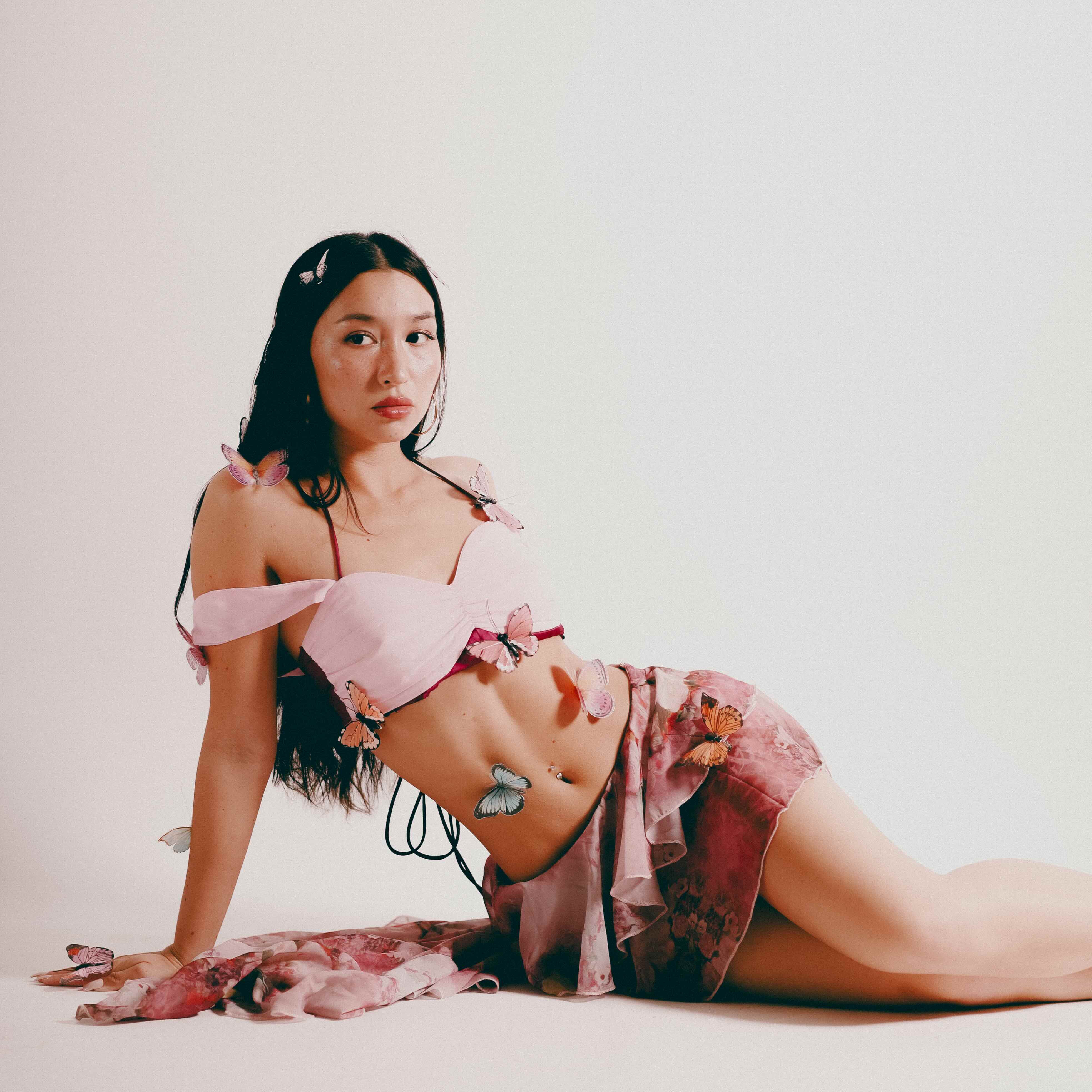
Yeija
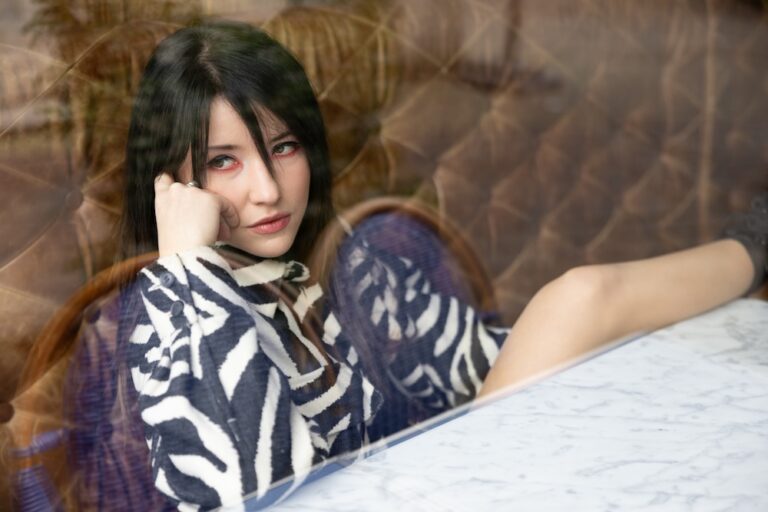
UK-born, half-Japanese and now based in Germany, Yeija is an artist who refuses to be boxed in—melding alt-pop, R&B, EDM and whatever else feels true in the moment. Now she returns with Beehive, her second single and a glimpse of the forthcoming Devil’s Room EP, a raw and unstructured stream of thought that captures the messy swing between emotional numbness and cheeky self-assurance. Beginning in a haze of buzzing paralysis before snapping into a sharp key change, Beehive mirrors the shifts of real life moods—moving from weighty fog to playful sarcasm and a burst of unfiltered attitude. That duality sits at the heart of her music, reflecting her philosophy as an independent artist unafraid to own every layer of herself.
You’re half Japanese, UK born, and now based in Germany, that’s a pretty layered identity. How do all these cultural intersections bleed into your music and the way you see yourself as an artist?
I think it makes my music very versatile. A lot of people say you have to stick to “one type of music” or at least keep the same sound if you want to make it in the industry, but that’s just not who I am or what I stand for. I definitely struggle with a hybrid identity, but I feel like the best way to navigate it is to own it fully. My art reflects all the different layers of who I am.
What inspired your new song Beehive? How would you describe it to someone who has never heard it before? Is there a specific message you want to share with this song?
“Beehive” actually started as a freestyle. It’s really just a stream of thought, no traditional structure, no proper “hook.” At first I wasn’t sure if it was “single worthy,” but I kind of love its uniqueness. It’s raw, unpredictable and the key change is fire.
Growing up with that kind of hybrid identity, did you ever feel like you were moving between worlds—or did music help you claim a space of your own?
Yes, I often felt and still sometimes feel lost. Not being accepted by my own roots was really challenging. Music became my therapy and gave me a space where I could be all versions of myself without judgment.
People are calling your sound “alt pop” but it feels like there are also elements of R&B. How would you classify your genre?
I honestly don’t like boxing it in. In general, I mix Pop, R&B, EDM, and probably more. My sound is always evolving with me.
Which artists inspire you?
Rihanna, RAYE, and Kendrik Lamar.
Are there any artists you wish to collaborate with?
Honestly, anyone whose music I connect with, no matter how big they are.
Walk us into your studio—what is a Yeija recording session really like?
Very emotion filled. I record alone most of the time and I really try to embody the song when I perform it. I probably look crazy in the process, but it’s worth it.
Do you start with lyrics or music when making your songs? With which producers did you collaborate on Beehive and how did that come about?
I mostly start with freestyles. Melodies usually come first and I know the kind of vowels or sounds I want to use. If I don’t land on a strong lyric right away, I go back and tweak later. With “Beehive”, I started with a sample and then two producers added their spice and brought it to life afterwards.
You’re working outside the traditional pop machine, do you see DIY independence as freedom—or pressure?
It’s both stressful and fun. But I do have a small team that’s growing, which makes everything easier.
Living in Germany, how do you find the pop music scene compared to the UK? Do you wish to move back to the UK? You’re currently singing in English—any reason for that?
I honestly don’t sound good in German, I connect much more with my British side, and singing in English just feels natural. Long term, I definitely want to move back to the UK once it’s financially possible.
Every new artist has that secret “manifesto” tucked in the back of their mind. What’s yours?
Because nothing really matters, everything matters. I have the power to choose and that alone is a blessing.
What are your ambitions for the future, what are the goals you wish to achieve as a musician?
I hope people connect to my music and persona and that it helps them feel seen. That’s the most important thing to me—to create a space where people can express every part of themselves, just like I’m learning to do.
About the Author