Rony Rex
From curator to creator, The Helsinki tastemaker explains how a decade of “pattern recognition” shaped his most instinctual club sound yet.
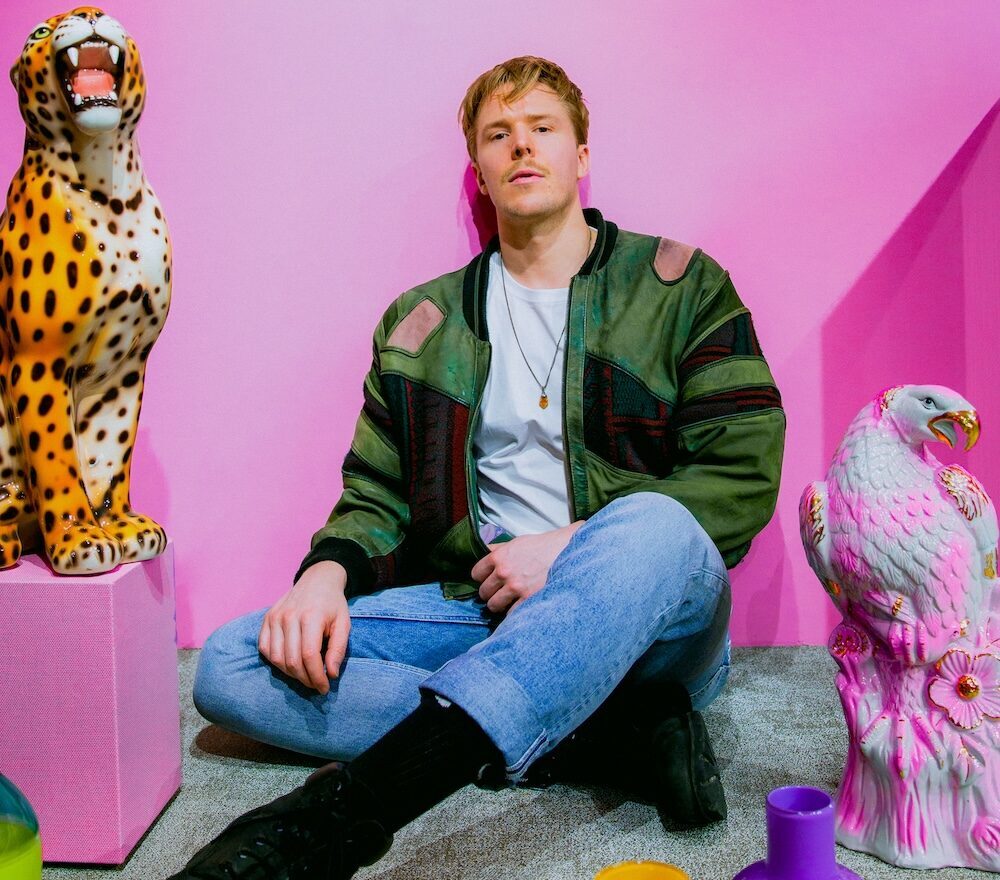
After a decade spent anchoring the Helsinki club circuit and celebrating a massive career milestone with his deeply reflective 10 project—a body of work that functioned as a sonic autopsy of his first ten years—Rony Rex is officially stepping into his “instinctual” era. While his previous work served as a masterclass in honoring his sonic DNA and synthesizing a decade of influence, his 2026 single “Voodoo” represents a visceral, dancefloor-first pivot. It is the sound of a producer intentionally stripping away the paralysis of overthinking to unearth the raw, physical tension that defines the club experience at its most primal level. This transition from a world-class curator of other people’s brilliance to a powerhouse producer in his own right wasn’t an overnight shift, but a calculated evolution. By leveraging a decade of “pattern recognition”—an intuitive understanding of tension and release, emotional pacing, and knowing exactly when to surprise a room—Rony has developed a razor-sharp internal compass. In the “Voodoo” era, he has traded complex arrangements for tighter, bolder grooves and a playful use of space, proving that his time behind the decks was essentially a ten-year masterclass in sonic architecture.
This move is an expansion of a global footprint that already includes 100 million streams in China and fashion-forward syncs with the likes of YSL and Stella McCartney. Despite the viral anthems and the “stunt” sets that flirt with mild electrical danger, Rony remains a storyteller at heart, prioritizing character over perfection and community over the algorithm. We sat down with Finland’s premier tastemaker to discuss the evolution of the Helsinki scene, the tools behind his 2026 sound, and why his dream performance involves a pod of bubble-making dolphins.
Your 2026 single “Voodoo” feels like a fresh chapter following the Dopamine EP; how has your sound evolved since the 10-year career milestone you celebrated with the 10 album?
“10” was reflective. It was me zooming out, honoring the journey, and stitching together the DNA I’d built over a decade. Voodoo is different. It’s instinctual, physical, and more club immediate. I’ve stripped away overthinking and leaned into tension and groove. Dancefloor first. Sonically it’s tighter, bolder, and more playful with space.
After nearly a decade of DJing and curating other people’s music before releasing your own, how did that long period shape your “internal compass” as a producer?
You’re constantly exposed to brilliance. That builds my “internal compass” by which I mean pattern recognition: tension and release, emotional pacing, when to surprise and when to serve.
What are your go-to tools for creating music?
Ableton. For sound design, Omnisphere and Serum 2 are my core palette. I’m obsessive about weird details, groove and micro-timing, so drums get a lot of love. Finishing is about restraint: clean arrangements, intentional saturation, and leaving space so DJs can really work the track.
Your “F*cked It Up (Gas Gas Remix)” saw over 100 million streams on NetEase in China, so how do you wrap your head around your music becoming a massive anthem in a market that operates so differently from Europe?
It’s surreal and humbling. You realize club culture is a global language even when platforms and industry systems differ. I didn’t engineer that moment for a specific market, just the classic “it happened”. Seeing it resonate at that scale expands your sense of how big and interconnected dance culture really is.
You once mentioned that while albums might seem “obsolete” to some, you still value them for storytelling—after releasing several EPs recently, are you still planning to pursue the long-form album format?
Absolutely. EPs are sharp statements. Albums are worlds. Streaming culture favors singles, but albums let you build narrative gravity—recurring motifs, emotional arcs, contrast. I still see the album as a creative milestone, not just a format. I’m building toward a body of work that feels cohesive, not just algorithm-friendly.
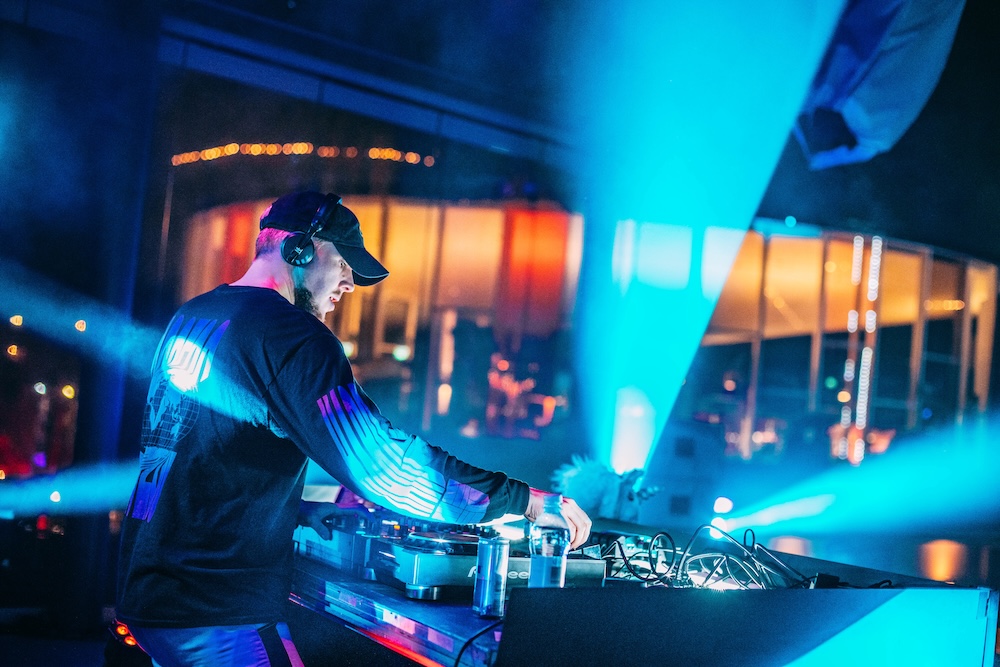
From DJing during a cold plunge to spinning from a giant floating unicorn, what is the most technically challenging “stunt” set you’ve ever played?
The giant unicorn set out at sea, easily. We had a battery-powered rig on an inflatable with no real stable base, waves pushing water into the float, and constant risk of the setup getting soaked. I was mixing while basically doing live damage control. We did end up short circuiting the system—but it was magical while it lasted. Chaos, joy, mild electrical danger.
Is there a “dream” location for a performance that you haven’t conquered yet? Playing with wild dolphins making bubbles around me. It sounds hard but I’m working on it
What does your “reset” routine look like when the high-intensity energy of the club scene starts to feel overwhelming?
Swimming, silence and nature. Cold water, long walks, movement without performance. Time with family resets perspective fast.
You’re known for your technical skills behind the decks, so how much of your set is meticulously planned versus reading the room and improvising in the moment?
Depends on the context. For festivals, I tend to design energy pathways, test transitions, and know my crates deeply. For clubs I do only rudimentary prep. Once I’m in the room, the crowd writes the script. The best moments are unplanned collisions.
When collaborating with vocalists from different genres like hyperpop or indie dance, what is the common thread you look for that tells you a voice will fit within the Rony Rex universe?
Character over perfection. I’m drawn to voices that feel human, slightly unpredictable, emotionally direct. If a vocal can carry vulnerability and attitude at the same time, it fits. Genre matters less than personality.
You’ve seen the Finnish scene evolve for over a decade, so where do you think Helsinki sits on the global club map right now?
Helsinki is small but culturally sharp. The scene punches above its weight creatively. Strong taste, tight communities, growing international bridges. It’s not trying to copy bigger cities —it’s building its own identity, which is more sustainable long-term.
Are we finally moving past the “traditional Finnish melancholy” as often talked about in electronic music?
Melancholy is still part of the cultural DNA, but it’s no longer the whole story. There’s more playfulness, genre fluidity, and global influence now. The emotional palette has widened.
Having been voted Finland’s best rising DJ early in your career, what is the one piece of advice you’d give someone just starting out today in the industry?
Build taste before hype. Skills compound. Trends expire. Also: finish things. Released work teaches faster than perfect drafts.
Since your music has been featured by brands like Stella McCartney and YSL, does the visual aesthetic of a high-fashion runway influence the way you approach the “mood” of your tracks?
No. These syncs were just a match that happened. Happy it did, but I don’t let that affect my creative process in any way.
With your sound drawing from global club influences, indie dance, and hyperpop, who would be your ultimate dream collaboration for this new chapter of your career?
Ninajirachi or camoufly. Both have this futuristic emotionality and sound design boldness I love. It’s music that feels playful, detailed, and world-building at the same time—exactly the lane I’m pushing deeper into.
Having already conquered unconventional milestones like performing on the Pasila radio tower and celebrating a decade-long career with your 10 project, what is one creative territory or professional goal you are still hungry to reach in 2026?
Building a live stream series that becomes a real platform for upcoming artists. Not just content, but infrastructure—visibility, context, community. I’ve benefited from platforms that believed early, so creating that space for others feels important.
What can fans expect from the “2026 Rony Rex experience” that they haven’t seen before?
Sharper musical identity. More immersive shows. Purpose-built moments instead of random spectacle. And projects that connect scenes and people, not just performances.
About the Author