Steve MacDream Colours
Why the group chose total creative independence over label contracts to protect their artistic vision and maintain a genuine connection with their listeners
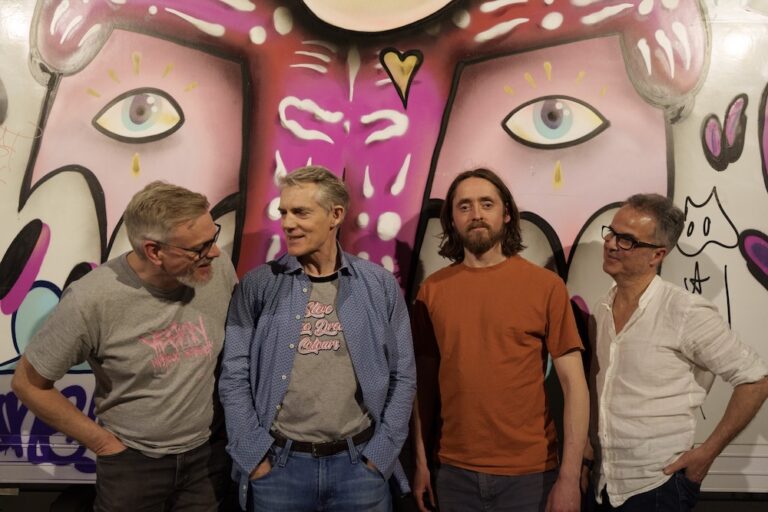
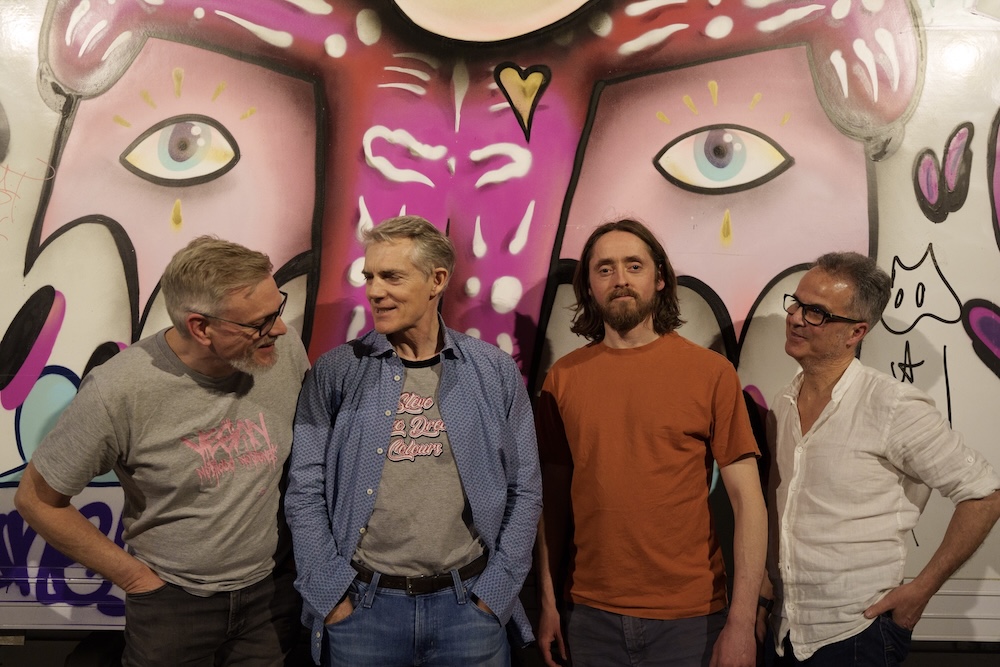
If you’re looking for the intersection where 1970s melodic soul meets modern indie-rock grit, you’ll find Steve MacDream Colours parked right at the center. Since officially forming in 2019, this London-based outfit has been remarkably prolific, weaving a tapestry of 36 tracks that bridge the gap between vintage analogue warmth and sharp, contemporary production. Fresh off the heels of their latest single “Another Day”—which just hit the airwaves—the band is now fueling the momentum toward their fifth studio album, Along The Road, slated for an Autumn 2026 release. The project has evolved from the archival explorations of their debut, Early Days, into a formidable four-piece collective rooted in what Steve describes as “musical DNA”—a subconscious blend of heritage songwriting and raw, independent spirit that refuses to chase fleeting industry trends.
In this exclusive feature we sit down with the band to peel back the layers of their most ambitious chapter yet. From the “lightning strike” moments of inspiration captured on mobile phones to the visceral, “human-first” philosophy that defines their live London shows, the group opens up about the arrival of lead guitarist Alan and the shift toward themes of environmental consciousness and social resilience. Whether they are navigating the nostalgic streets of “Nineteen 79” or the expansive, Hendrix-inspired peaks of “Blue Road,” Steve MacDream Colours proves that authentic storytelling is an existential necessity.
You’ve been active since 2019 with 36 tracks already released; how has the Steve MacDream Colours sound evolved from your debut “Early Days” to this upcoming 2026 project?
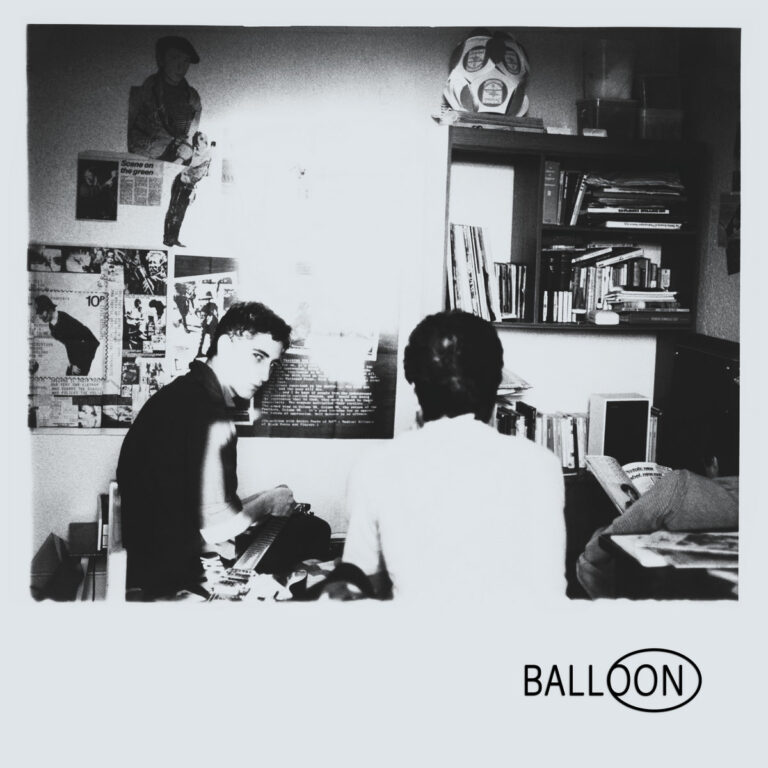
Steve MacDream Colours officially came to life in 2019, although the project actually originated many years earlier — which is why the first album is called “Early Days”. Four of the tracks were from a studio session I recorded in Italy with a previous band, which I later digitally remastered from the original analogue tapes. The other four were new recordings made in London, based on songs I had written during that same period.
That record became the kickstart for a new chapter. In 2020, Pete joined on drums and Emi on bass, and we began playing regularly as a trio, rediscovering and reshaping the large catalogue of songs and lyrics I had accumulated.
Performing live helped us define our sound, something that’s captured well on our album “ALive”. At the same time, we allowed ourselves to learn by doing and to experiment more with the recording of the drums, guitars, and bass tones. When Alan joined the band in 2024, it really felt like the missing piece had arrived — and that’s when everything really fell into place.
Your music is described as a blend of 1970s songwriting heritage and modern indie textures—how do you balance that classic influence with a contemporary production style?
To me, it’s not really a balancing exercise — it’s simply what we are. Our music comes from the vast catalogue of songs we grew up loving, which over the years became fully absorbed and almost subconsciously embedded in our DNA.
The songwriting naturally carries that heritage, especially the melodic approach that was so strong in the 1970s. At the same time, we’re making music today, using super modern tools and production techniques to shape those ideas into something fresh. That combination tends to give our songs a slightly different flavour compared to much of today’s production, because the roots are classic but the sound is contemporary.
Steve, you lead the creative direction of the band, but how do Pete, Emi, and Alan contribute to the “raw sound” and energy we hear in your live arrangements?
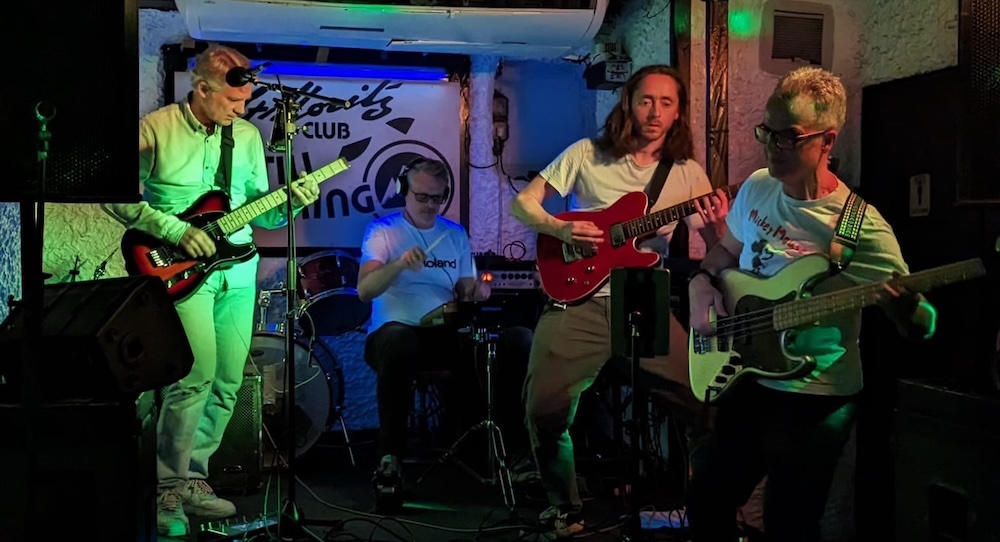
The songs usually start with me, but the sound really comes alive once the four of us start playing together. Pete drives a lot of energy on drums, Emi anchors the groove on bass, and Alan adds the guitar textures and dynamics we’ve been looking for since the start. I like leaving space for everyone’s ideas, so the arrangements often evolve naturally through rehearsals and live shows. That interaction is what creates the raw energy people hear on stage.
What does the initial spark of a song usually look like for you—does it start with a solitary lyric, a melody hummed into a phone, or a specific guitar riff?
The music almost always comes first, usually while I’m playing, jamming, or simply noodling on the guitar. That’s often when the first spark appears. At other times, inspiration arrives completely out of nowhere — in the middle of the night, or during quiet moments while walking or even shaving.
When that happens, I’ve learned to grab my phone immediately and record the idea, because if you don’t capture it straight away, it tends to disappear as soon as your mind gets distracted by something else. Travelling is also a big source of inspiration for me, which is why I always carry a custom-made headless Telecaster that’s compact enough to take anywhere.
The London live scene is a major part of your identity; what is it about the atmosphere of London venues that best helps you translate your recorded material into an immersive experience?
London venues have a very direct energy — the audiences are close, curious, and they really listen. Pete has been part of the London scene for years as a DJ, so he’s seen how the atmosphere has evolved. These days, indie music often finds a very friendly, receptive audience, which makes it easier to create that connection on stage. We still remember times when stepping on stage in certain places could feel a bit unpredictable, so we really appreciate those moments when a room is fully with you and the songs come alive.
With the single “Another Day” arriving on March 13th, what made this specific track the right choice to introduce listeners to the world of your fifth album?
It felt like a natural choice to start the year with this track as a single. All the songs for the new album were written and rehearsed between 2023 and 2025, and “Another Day” was actually the first one we started playing live.
We added it to our set list quite early on, and the reaction from the audience was immediately very positive. It works really well as an opener — it has a strong energy and a very catchy feel — so it naturally became the track that introduces listeners to the atmosphere of the new album.
“Along The Road” is described as your most cohesive work yet; what was the catalyst for shifting your songwriting from personal introspection toward wider themes like social awareness and environmental consciousness?
As a songwriter, I’ve always felt that personal introspection and social awareness are really two faces of the same coin. It all starts with observing the world — understanding yourself within your own small habitat, while also being conscious of the wider dynamics happening around you and affecting others.
Some of the most intimate songs I’m particularly attached to, like “Roots Inside Me”, “Pelican”, and “Pearls”, expose the softer side of Steve MacDream Colours. At the same time, from the very beginning, we never shied away from addressing larger environmental or social issues, sometimes with more abrasive lyrics such as those in “Zloygrad” or “Sky Horizon”, and occasionally even through political satire — somewhere between The Kinks and Green Day — like the colourful “Creepy Orange”.
“Along The Road” develops these ideas further, hopefully tying all ten tracks together with a stronger sense of maturity and a cohesive sonic thread.
A track like “Nineteen 79” suggests a deep dive into the past; how does revisiting formative memories and cultural discovery help you process the “complexities of modern life” mentioned in your bio?
I’ve always felt that nothing in life really goes to waste if you treasure the experience and learn something from it. “Nineteen 79” is about those formative moments when music, friendship, and discovery suddenly open a door in your mind. When you’re young, everything feels intense and new — the records you hear, the people you meet, the small adventures that seem to define an entire season of your life.
Looking back at those memories isn’t just nostalgia. It’s a way of reconnecting with the energy and curiosity that first pushed you to create something of your own. Those early experiences become a kind of compass. They remind you why you started making music in the first place, and they can help you navigate the complexities of modern life without losing that original sense of wonder.
Nature imagery seems to be a central pillar of the new record—could you elaborate on the symbolism behind “Sacred Trees” and “Aquamarine” and how they relate to the theme of transformation?
Nature has always been a powerful metaphor for transformation because it carries the memory of time in a very quiet but profound way. In “Sacred Trees”, the idea is that trees silently witness generations passing by. Their roots hold ancient stories and scars, but they also embody patience, resilience, and forgiveness. That image felt very symbolic to me — the idea that life leaves marks on us, but those marks can become a source of wisdom rather than something that breaks us.
“Aquamarine” approaches transformation from a different angle. It tells a story of empathy and redemption, where a terrifying but wounded creature becomes a mirror for human conscience. Instead of fear or aggression, the moment calls for compassion. In that sense, the song is about breaking a destructive spell and rediscovering our humanity. Both songs use nature as a reflection of inner change — reminding us that transformation often begins when we learn to listen more carefully to the world around us.
You’ve reached over 100,000 streams and a global audience independently; how has staying independent allowed you to prioritize authenticity over the trends of the industry?
To be clear, staying independent wasn’t really a choice at first — I actually got an offer from a label early on, but it came with conditions: changes to our style and songs that we couldn’t accept. So, like many, we had to pursue other careers along the way, although we never stopped making music — creating and playing remains an existential need for us. Over time, we’ve come to fully appreciate the virtue and advantages of complete independence. It allows us to follow our instincts, explore ideas freely, and make music without compromises. There are no directives, no pressure to chase trends — just total freedom to let the songs evolve naturally, which is ultimately what keeps our work authentic.
If someone were to discover the Steve MacDream Colours catalogue twenty years from now, what is the one thing you hope they understand about the spirit of the music you are creating today?
Emi: “Honestly? That we were human. Steve writes the songs from a deeply personal place, and the four of us — Steve, Pete, Alan, and myself — we just pour our souls into bringing them to life. I personally came back to music after a 20-year break during the COVID lockdowns, with Steve dragging me back into playing music again and getting me to pick up a bass guitar. Music literally saved me — through loss, through illness, through life turning upside down more times than I care to count. I think that’s what sits at the heart of every Steve MacDream Colours song. Real stories, real feelings — messy, beautiful, and honest. I hope whoever discovers us twenty years from now laughs at the right moments, cries at others, and thinks ‘I feel exactly that way too’. We didn’t make music to be clever. We made it to feel alive — and if it still makes someone feel less alone twenty years from now, then we did our job!”.
Looking ahead to the full album release in October, what do you hope is the ultimate “emotional imprint” this journey “along the road” leaves on your listeners?
If there’s an emotional imprint we hope the album leaves, it’s the feeling that life is really a journey of discovery and transformation. Many of the songs reflect different stages along that road. Some look back at the excitement and curiosity of youth — the moments when music, friendships, and new experiences suddenly open the world in front of you. Others are more reflective, exploring how time, memory, and experience slowly shape who we become.
In that sense, the album moves through different emotional landscapes: moments of introspection, memories, social awareness, and also a sense of wonder towards the natural world. All of these elements are fragments of the same journey, and the hope is that listeners can recognise pieces of their own path within the songs.
At the centre of this journey sits “Blue Road”, which we see as the emotional heart of the album. The song begins in a very intimate space, with delicate and almost ethereal arpeggios, as if the traveller is pausing for a moment of reflection before moving forward. From there, the music suddenly opens up, building into a more uplifting and expansive section driven by distorted guitars, leading to an expressive, Hendrix-inspired finale.
That musical arc mirrors the deeper thread running through the whole record: starting from a personal and introspective place, then expanding outward with a broader sense of connection with others and with the world around us.
Official website of Steve MacDream Colours.
About the Author