St. Catherine’s Child
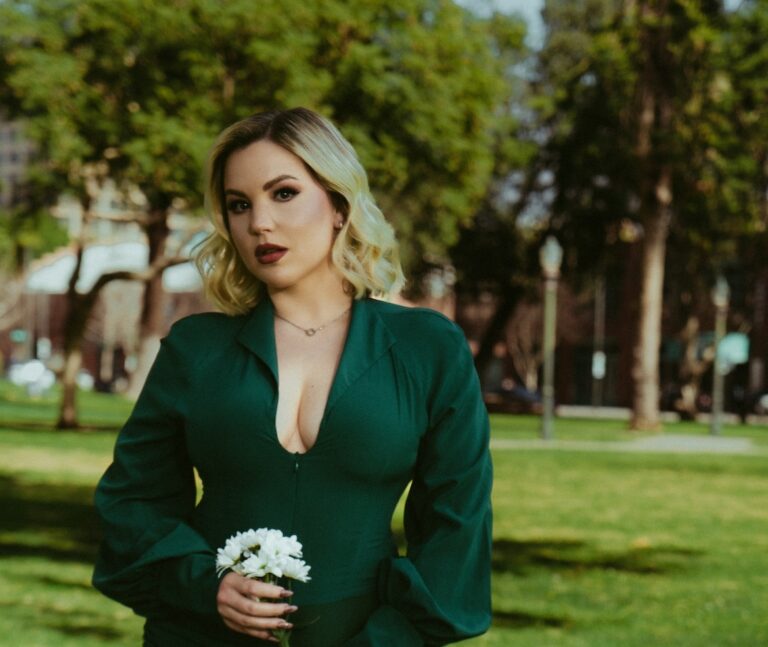
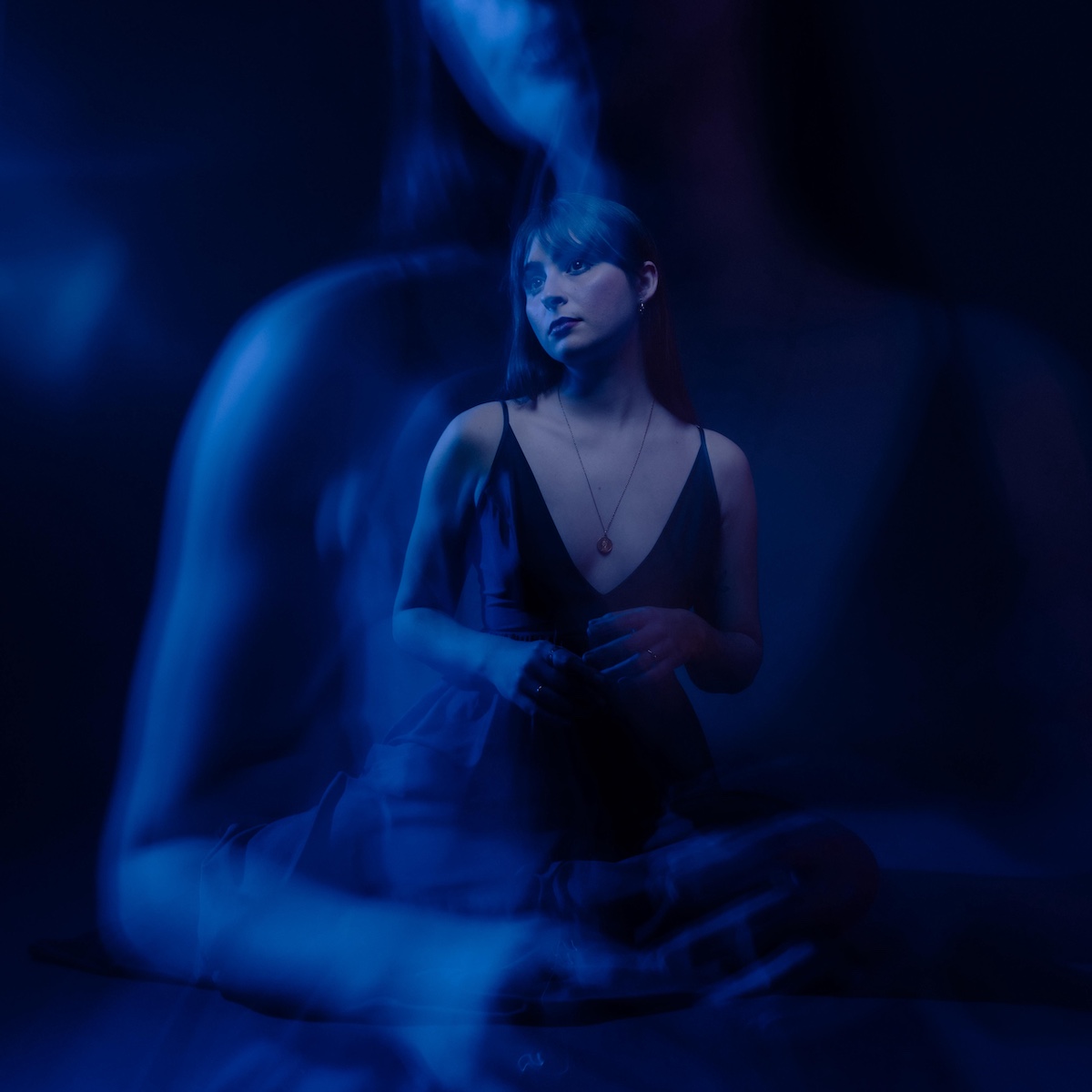
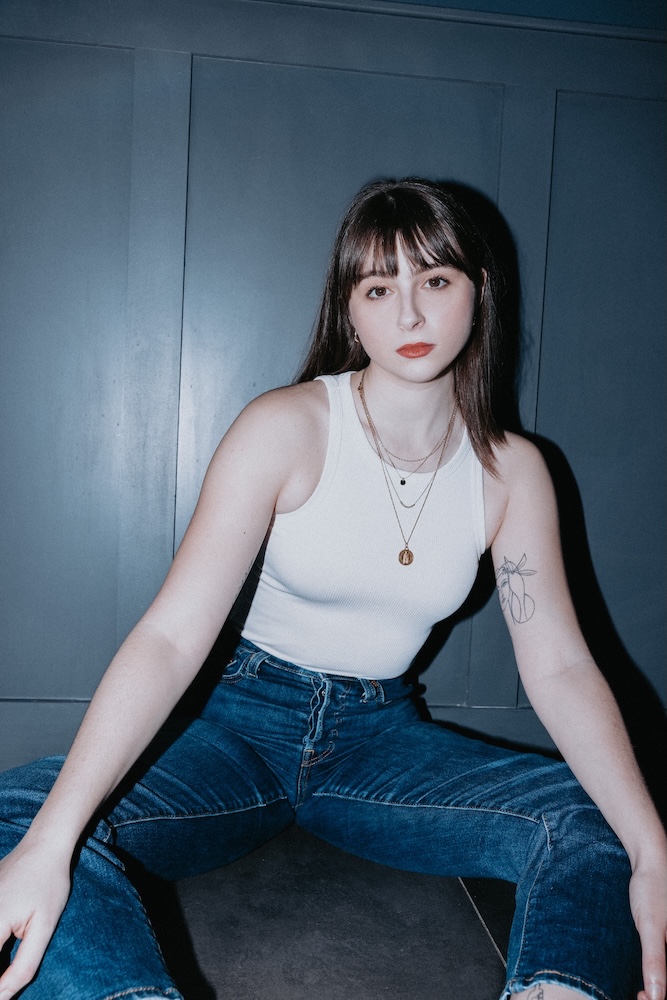
Fresh off her signing with TRO Essex Music and Shamus Records, St. Catherine’s Child shares the creative process behind her striking new double single.
In an era when classic songs are constantly revisited, few artists manage to uncover something genuinely new within familiar melodies. St. Catherine’s Child—the transatlantic singer-songwriter project of Ilana Zsigmond—does exactly that on her latest double single, Cosmic Dancer and Fly Me To The Moon. Released through TRO Essex Music and Shamus Records, the collection reimagines two beloved standards from vastly different musical worlds, transforming them into intimate, atmospheric recordings that feel both timeless and unmistakably contemporary. With more than four million streams and acclaim from tastemakers across the indie-folk and Americana landscape, Zsigmond continues to carve out a distinctive space where poetic storytelling, emotional honesty, and fearless reinterpretation collide.
Born in England and raised in Connecticut, Zsigmond draws from both sides of the Atlantic, blending British wit with American sincerity in songs that prioritize connection above all else. On these new recordings, she and producer Dave Ormsby deliberately steer away from nostalgia, choosing instead to reveal the quiet vulnerability at the heart of T. Rex’s Cosmic Dancer and Bart Howard’s Fly Me To The Moon. The result is a pair of covers that honor their iconic origins while standing confidently on their own. We caught up with St. Catherine’s Child to discuss the inspiration behind the project, the challenge of reinventing classics, her transatlantic musical identity, and what listeners can expect from the next chapter of her rapidly rising career.
“Cosmic Dancer” and “Fly Me To The Moon” are both iconic songs with very different histories. What drew you to pairing them together as a double single?
When I joined TRO Essex for publishing I was absolutely blown away by their history and catalogue. Every time I had a conversation with someone in the office I’d learn about another iconic piece of music history they’d been a part of, so when the opportunity was presented for new interpretations of their songs, I knew I wanted to do Fly Me To The Moon simply because it’s one of my favourite tunes in the world, and I knew I had to do something by T. Rex, who are one of our personal favourite bands. Cosmic Dancer felt like it had the most scope for interpretation and entirely too underappreciated in their catalogue for my liking!
These versions feel modern and intimate while still honoring the originals. How did you approach reinventing such beloved tracks?
Myself and Dave Ormsby (the producer of the tracks) at Prodigal Son Studio have a bit of a bee in our bonnet about covers that don’t stray far enough from the source material. If you want to hear Fly Me To The Moon interpreted as a jazz standard, Sinatra did it best, so why would you go listen to me do it, you know? We tried to take them in directions that felt like they added something new to the legacy of the material but kept the essences of them alive, the intimate loving core of Fly Me To The Moon and the innocence and wonder of Cosmic Dancer, while trying not to be too referential to the versions out there that are already pretty perfect.
What was the biggest challenge in covering songs that audiences already know so well?
It wasn’t too challenging necessarily as the songs are so good and really speak for themselves lyrically but we did want to do something unexpected with each of them that would add our own stamp to their legacies.
Your interpretation of “Cosmic Dancer” feels especially emotional and cinematic. What does that song mean to you personally?
That song is so special, I remember so vividly where I was when I first heard it. I was about 12, and my dad was a massive T. Rex and Marc Bolan fan. It just absolutely captured my imagination, especially in context with the rest of T. Rex’s catalogue, as being such a sweet and innocent piece of music. I wanted to honour the beauty that I’d seen in it as a young girl, and recording it live with just the piano sounds with the incredible Tom Ashbrook felt like the right way to get to the core of that song and it’s unique softness.
“Fly Me To The Moon” has been performed by countless artists across generations. How did you make it distinctly your own?
Fly Me To The Moon was also tracked live with the band, vocals and all. The inspiration for our arrangement came from wanting to go in the absolute opposite direction to the notable covers out in the world already. Full band arrangements tend to be huge and big-band esque, and solo ones are super stripped back and intimate, so we decided to skate a middle line, and choosing not to really sing above a whisper when it’s so tempting to go full head voice in a song like that in that was a conscious decision. It was a really cool opportunity to play with light and shade in a song that really contains so much more versatility than its stereotypical arrangement, and to bring a bit of playfulness back into it was really fun.
You describe yourself as a transatlantic artist. In what ways do your British and American influences show up in your songwriting and performances?
I’ve always said that I got the absolute best of both worlds with my musical upbringing, as so many of my British parent’s influences on me as I was growing up were in classic rock and traditional folk and my American community’s were more rooted in country and 60’s folk acoustic. I like to think I got the British humour with the American sincerity, a bit of whimsy with the poetry, and a really huge emphasis on how place influences the person.
Your music blends indie folk, Americana, and singer-songwriter traditions. Which artists or records most shaped your sound growing up?
I grew up a massive Beatles fan, but also obsessed with the likes of Simon and Garfunkel and Carole King, largely due to my mother’s influence, but my dad was a massive classic rock fan. The through-line between it all though was tight songwriting and strong vocals, which I think is the emphasis I carry forward into my own work. I don’t try to subscribe to a genre, as long as the storytelling and the performances are honest and clear, I’m happy to go where the music takes me, much like the influences from my childhood.
The name St. Catherine’s Child references the patron saint of eloquent women. How does that symbolism connect to your artistry?
I wrote my dissertation about St. Catherine of Alexandria and her place in women’s history when I was barely 21, but she continues to give me strength and inspiration every single day. I’m not actually a fantastically religious person, but my connection with her feels so deep and personal that I wouldn’t have anyone else at the helm of my music. Her story and her history as a distinctly female icon known for her clear voice keeps the point of it all at the heart of what I do, for me, which is to remind me that at the end of the day, this job is about connection.
What do you hope listeners feel when they hear these new versions of “Cosmic Dancer” and “Fly Me To The Moon”?
I hope they’re surprised! I also hope they appreciate my glockenspiel solo in Fly Me To The Moon, which was harder to execute than I anticipated.
Was there a particular moment in the studio where you realized these recordings had become something uniquely yours?
I think when Dave Ormsby, our lovely producer, stumbled upon the way the piano was bleeding into my vocal mic while tracking Cosmic Dancer, and he muted the main piano mics to hear it in isolation, something magical happened. My vocal mic was running through a vintage Copycat tape machine, and the outro on that song is just the raw piano running through a machine as old as the song, bouncing and dancing with itself. That was a really special moment.
Looking ahead, what can fans expect next from St. Catherine’s Child?
New music! I’m really excited to be writing and recording without my usual acoustic guitar strapped to me, it’s a blast. People can expect songs about new things (no more grief for a while!) and sounds they haven’t heard before.
Vinyl, cassette, or streaming?
Vinyl, always. Help artists make a living, my friends!
A lyric you wish you’d written?
“Kathy, I’m lost, I said, though I knew she was sleeping. / I’m empty and aching and I don’t know why. / Counting the cars on the New Jersey Turnpike, they’ve all come to look for America.” From America by Simon and Garfunkel. I actually wish I’d written the entire song, I think it’s a masterpiece. And it doesn’t rhyme!
Most underrated songwriter of all time?
Ben Gibbard from Death Cab for Cutie. One of the best lyricists alive.
Coffee shop writing session or late-night studio session?
Late night studio session! Studios are my absolute happy place.
One album that changed your life?
Divers by Joanna Newsom. Blew my brain wide open.
Favorite city to perform in?
Sheffield! It’s my second home, it’s where I make my records, and it has the best crowds of enthusiastic, open minded people who really love and support grassroots musicians.
What’s inspiring you creatively right now?
New instruments! I’m playing a lot more electric guitar than I used to, which has really opened up the sonic world I’m writing within, and I’m reading a lot again. I’ve gone back to the books I loved as a teenager, which has been a really cool exercise in re-interpreting old inspiration.
Which cover came together more naturally in the studio?
They both were pretty seamless but Cosmic Dancer happened in about two takes, owing mostly to how brilliant Tom Ashbrook is. What he can’t play on the piano isn’t worth playing.
Were there any surprising discoveries you made while revisiting these classics?
Cosmic Dancer is surprisingly emotional! I had a little cry at one point over the sweetness of it all, and the lovely image of dancing one’s self into the tomb. I can only hope to be so lucky.
What makes an older song feel timeless to you?
Honesty. I’m a huge history nut, that was what my degree was in, and I always say to those who will listen that people are people are people. We’re all running the same hardware we always have been, and any feeling we have now, another human has felt before. Finding little slivers of our own lived experience in generations gone before makes me feel so small in the nicest way, like I’m being cradled by humanity as a whole. Those older songs that touch on pieces of the human experience that never change are special things, much like old literature or myths that still speak to us now. We’re all the same species, after all.
Official website of St. Catherine’s Child
About the Author