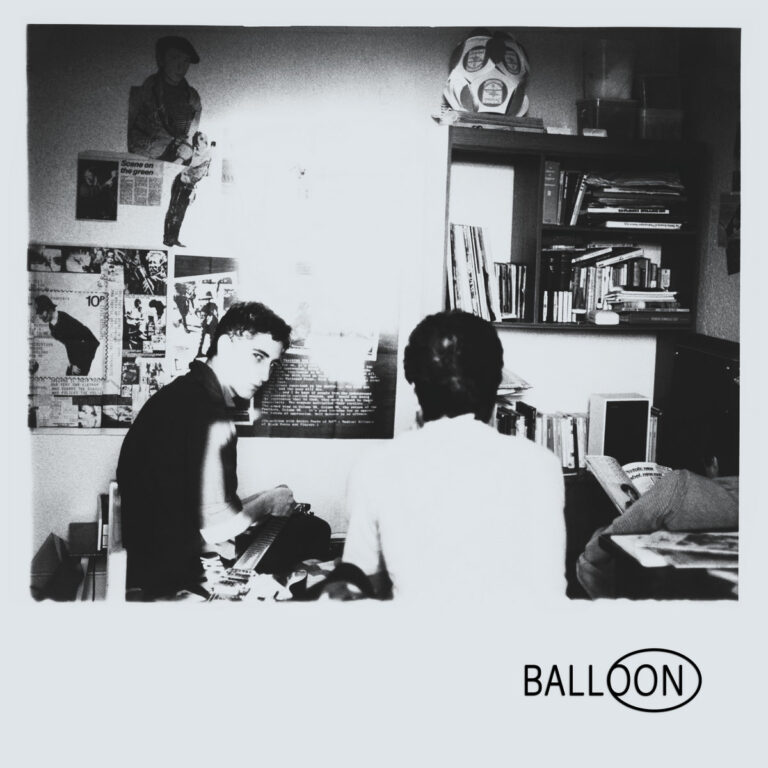
Tralalas - Ornament
After years in Denmark’s electro and punk underground, Morten Alsinger reemerges with Ornament—a dark pop debut shaped by raw emotion, analog warmth, and close collaboration.
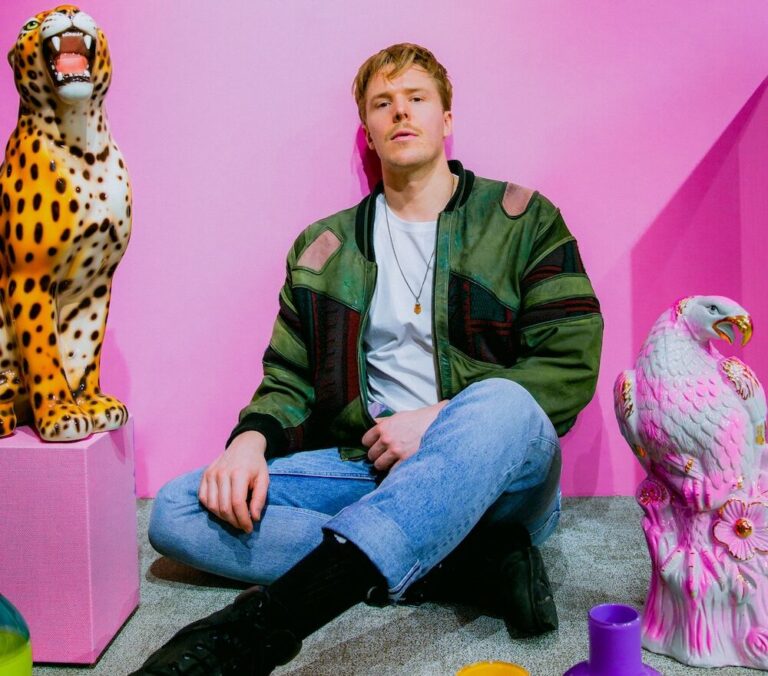
Danish musician Morten Alsinger, a fixture of Denmark’s electro and punk underground, steps into a new creative chapter with TRALALAS, his first solo project, and its debut album Ornament, out today via Aenaos Records. Known for his sharp, emotionally charged songwriting and experimental edge, Alsinger draws on years spent navigating the intersection of electronic energy and raw, analog expression. Ornament presents that evolution in full: an intimate yet sonically rich collection of dark pop songs exploring themes of loss, fragility, and the quiet persistence of hope. The album will be released digitally and as a limited-edition vinyl, marking a tactile milestone for an artist who values authenticity and craftsmanship over speed or trend.
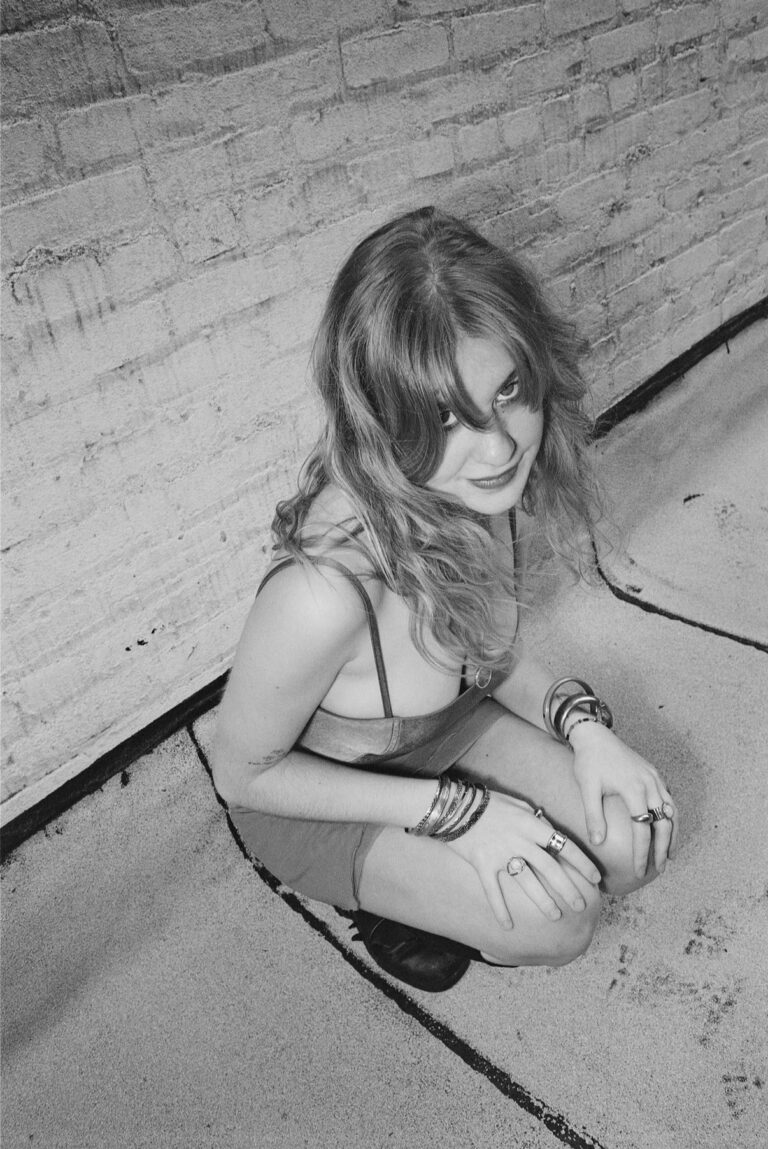
The seeds of TRALALAS were planted after Alsinger’s collaboration with singer-songwriter Heidi Lindahl, with whom he performed as a bassist and co-writer. Their creative chemistry reignited his desire to reconnect with the human and imperfect elements of analog music-making. Around 2023, while working in another project with producer Thomas Li, Alsinger shared a series of home-recorded demos that caught Li’s attention, leading to a new partnership. Over the next two years, the pair developed Ornament at Li’s Østerbro studio, joined by Thomas Golsen (bass, guitar) and Francis Nørgaard Jensen (drums) of NorthShip, and Lindahl on vocals and harmonies. The result is a “dark pop” sound that resists easy classification.
What inspired you to start TRALALAS after so many years in Denmark’s electro and punk underground scenes?
Morten Alsinger: Alongside the electropunk thing, I had, over some years, written and composed more and more analog tracks, and they just took more of my attention. Also, I missed working more closely with people. A new horse.
How did your collaboration with Heidi Lindahl influence the direction and sound of Ornament?
Morten Alsinger: Some of the tracks I wrote were inspired by working with Heidi’s solo material a few years back. We collaborated on some of her tracks, and I especially found that our vocals were a great match. Heidi has an incredibly talented and wide-ranged voice, and she’s super creative in studio sessions. So maybe, on a subconscious level, I wrote the new tracks with that vibe.
What drew you to work with producer Thomas Li, and how did his approach shape the final sound of the record?
Morten Alsinger: I’ve known Thomas from a distance for some years. Because of my volunteer work as a booker for a small Copenhagen underground venue (Frederiksberg Country Club), Thomas approached me about organizing the Danish/Japanese electronica festival CHERRY MUSIC. Thomas was aware of my random TRALALAS uploads on SoundCloud, so from there, it evolved into recordings.
Thomas has had an absolute creative influence on the sound. He is a very experienced producer, and his studio is plastered wall to wall with mind-blowing analog equipment. I had to kill a lot of darlings, but that process of trust and letting someone else work freely on your material becomes a vivid creative process. It’s my first time recording in a professional studio, so his guidance, knowledge, and whatnots are conclusive for the album.
Can you describe how the songs evolved from your analog demos to the finished versions on the album?
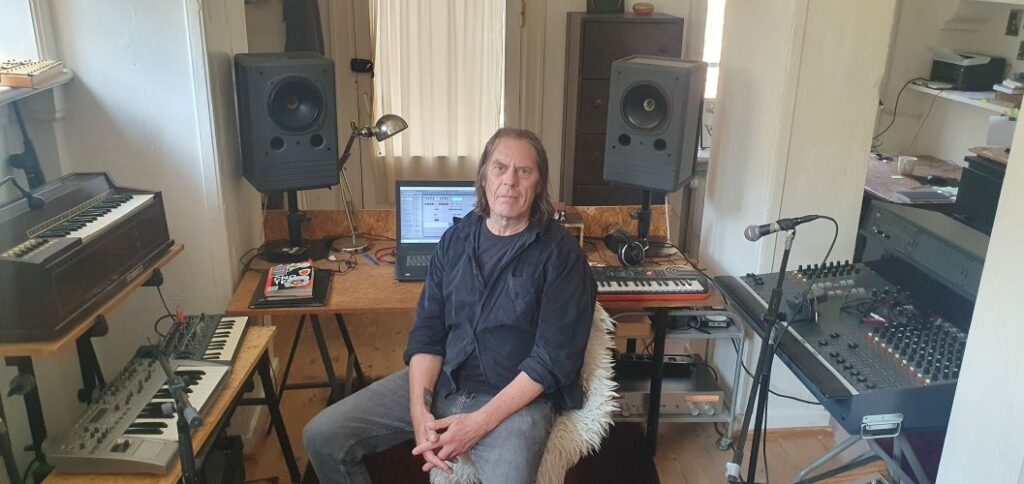
Morten Alsinger: All tracks are recorded in my small bedroom studio. I play a little of every basic instrument, but I’m no instrumentalist as such. I have developed various production methods, and I find my way around it and get stuff and tracks done. But I always imagined that these analog tracks could be “lifted” into a band setting due to my shortcomings. That happened in the studio. I was lucky to persuade Thomas Golzen and Francis Nørgård Jensen from the band Northship to do most of the basic guitar, bass, and drum recordings. I did some of the keys, and we also imported some of my original recordings from home into the studio recordings.
What does the title Ornament represent in relation to the themes and mood of the album?
Morten Alsinger: I like ornaments; I like patterns as much as I’m aware not to become one. Especially, I like to trace, look for, and photograph “ornaments” while moving around in a city or the countryside — different patterns, old graffiti, strange and empty settings, tumbled trees, abandoned houses, churches, signs. Loads.
To me, writing is tapping into that and the contemporary, trying to get something hopefully relevant out. A text, a track is an ornament. It’s almost a worn-out mantra to “write about what you know.” I try that, but that doesn’t necessarily mean I only write about me. I do use the “you and me” universe extensively on this album. I find a personal and fictional approach creative for writing, and I use people to describe concepts, attitudes, or challenges. I hope it makes sense; it can be hard to explain in English/Danglish.
You’ve described TRALALAS’ sound as “dark pop.” How do you define that in your own terms?
Morten Alsinger: It’s hard. The word just dropped out of my mouth. I really don’t know if it is a genre or where I should place it. But some tracks deal with difficult challenges, so in that sense, you can say it’s dark. Or, said differently — there’s something curiously boring about happiness as artistic expression.
How did working with members of Northship contribute to the texture and energy of the record?
With their vast experience and talent, they just heard and did things, recorded things, and came up with ideas I couldn’t have accessed in any other way. They were super generous in that way, and, as with the collaboration with Thomas Li, working with Northship has been essential for the album.
Many of the tracks explore existential issues of loss and gain. How do you translate those themes into music without making it overly heavy?
I don’t know. It’s not always a conscious approach. But I strive for restraint in both lyrics and arrangements. Writing about loss and gain… it’s basic existential. I think I write about stuff like that in some kind of acceptance of the uncertain. Recording the album has been a one-year meditation on the ending and beginning of all things.
What made you decide to keep the album to nine tracks out of the eleven recorded?
Art is very organic. What initially can seem like a good idea or track slips through the fingers. It’s a process. The two tracks we let go just didn’t make it through.
Can you talk about the atmosphere in Østerbro Studio during the recording sessions?
Thomas is very disciplined in a constructive way, but he also has an almost geisha/host quality about him. His coffee-brewing techniques are amazing. It’s all very soothing. His studio is in a lively house; there are three more studios in the building. People come and go and work on different projects. I found the process very acknowledging and friendly. And, as I mentioned, very generous musicians just add to the picture.
What role does analog equipment play in capturing the emotional tone you’re aiming for?
It’s a back-to-basics thing, and a technical issue I really can’t explain. I don’t know a lot about studio gear. It was more Thomas and Tom (guitar) who set the benchmark for a sound I somehow explained I was aiming for.
How do you balance fragility and strength in your songwriting process?
The easy answer is I don’t really see them as different. I think one thing makes the other possible — it’s not either this or that; it’s more like there is always this, and there is always that.
The name TRALALAS is drawn from Last Exit to Brooklyn. What does that reference mean to you artistically?
I’m a big fan of Selby Jr., and the character TRALALA in Last Exit… is a very exposed and fragile sex worker, so really, it points back to your question about fragility. I respect it and emphasize it. I respect fragility more than strength — or even worse, power.
How do “Winter on the Vine” and “Burns” reflect the broader emotional landscape of the album?
Both those tracks represent my general approach to songwriting — another benchmark in production. I hope they come out and can tap into a listener’s emotional landscape more than the one I represent. If anything, it should be a dialogue.
Do you see Ornament as a beginning for TRALALAS or more as a self-contained statement?
TRALALAS is clearly a priority and not a one-off project. I have been working intensely on new tracks, and I’m thinking about another release. It might be more lo-fi. Studio production is shit costly, but let’s see.
What does being a “melancholic and micro-ambitious artist” mean to you in today’s fast-paced music culture?
I think basically there’s a melancholic feel to most of the tracks. Micro-ambitious — I don’t know, I just try to keep my eyes on doable goals instead of long-term golden showers. I’m not expecting it to become a blockbuster album. I financed the recording myself. It’s been an ambition of mine to release a vinyl for some time — a very tactile ambition. Mainstream and fast-paced consumer culture in general doesn’t do anything for me. It’s a rabbit hole.
How did working within a small, trusted circle of collaborators influence the project’s authenticity?
It kept it intimate and creative. I couldn’t have done any of this without them. What I dared imagine, who I dared imagine working with, happened. I’m so fucking grateful for that. And yes, I think it is essential for the authenticity I was aiming at.
Were there particular artists or records that guided you during the making of Ornament?
The hardest question!!! I’m a very eclectic music consumer. I don’t think I’m trying to sound like anybody, and neither did we try to invent something new. We just wanted to record honest tracks.
But I can say a lot about what I listen to, who inspires me to keep going — Syd Barrett, Cohen, Bauhaus, The Damned, Joy Division, Lana Del Rey, Joe Meek, Beach Boys, Suicide, Boards of Canada, Brian Eno, Devo, Linton Kwesi Johnson, Black Sabbath, Augustus Pablo, just to name a few… there’s no end. The electrics are wired for my pleasure.
What do you hope listeners feel or experience when they spend time with the album?
I really can’t say. Of course, I have an ambition about being played or listened to, but what people feel — I wouldn’t have a clue, and that I find interesting. So if anything, I hope the music is relatable and creates some kind of dialogue or points in a direction.
How do you envision TRALALAS evolving after the release of Ornament?
A few albums, lo-fi, maybe digital release, but for sure a few albums. And I’m working on a live setup with Heidi. It’s a challenge, but we have plans to play a few concerts.
Buy the album now on Bandcamp.
About the Author