LOVIET
The Canadian alt-rock artist discusses breaking free from industry expectations, embracing her influences and finding confidence through her most guitar-driven record yet
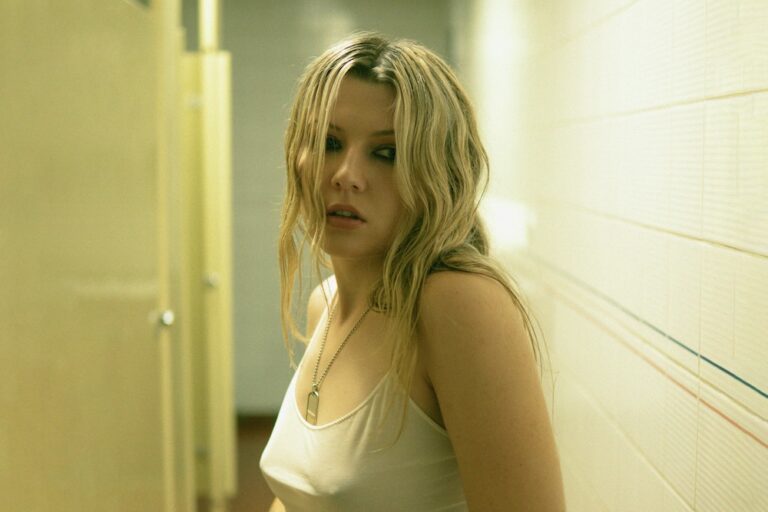
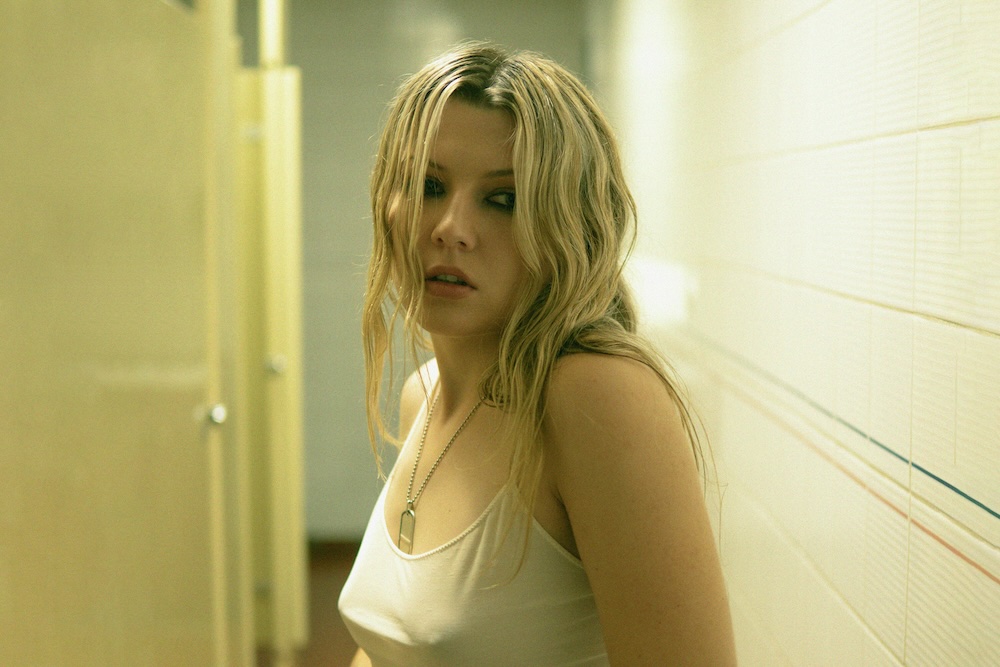
Blending glossy alt-pop hooks with gritty guitars, shimmering vocals and unapologetic rock energy, Canadian singer-songwriter Natalie Lynn, known professionally as Loviet, embraces her most unfiltered self yet on DEBUTANTE (DELUXE).
Released on 18 September 2026, the seven-track collection builds on the original DEBUTANTE EP, released in April, expanding its coming-of-age narrative into a fuller exploration of identity, independence and the pressures of finding your place in the world.
Entirely self-written and produced by Loviet, the record draws on the spirit of ’90s and early-2000s alternative rock icons such as Sheryl Crow, Alanis Morissette and Courtney Love, pairing infectious pop sensibilities with distorted guitars, powerful vocals and anthemic choruses. Across tracks including “STIFFY,” “CHEERLEADER,” “PLUSH” and “FEEDER,” Loviet confronts the expectations placed on women, the complexities of romantic and professional heartbreak, and the challenge of maintaining her artistic identity in a music industry often eager to dictate who an artist should be. The title plays on the traditional notion of a debutante being formally introduced to society, reimagining it as a declaration of independence rather than conformity.
Having spent the past five years honing her craft and touring across Canada, the UK and the US, Loviet has built her career on a distinctive blend of alternative pop and rock, earning Music Nova Scotia’s Rock Recording of the Year in 2024 and the East Coast Music Award for Breakthrough Artist of the Year in 2025 for her EP Nighttime Is All In The Timing. With DEBUTANTE (DELUXE), she returns to the guitar-driven sounds that first inspired her, transforming personal experiences into a bold, emotionally candid statement about growing up, pushing back and learning to trust your own voice.
For Indie Sound, Loviet opens up about the journey from girlhood to adulthood, reclaiming her voice in an industry full of competing opinions, and embracing the confidence to be unapologetically herself. From the femme-rock attitude behind “FEEDER” to the influence of nostalgic television soundtracks and the timeless artists who shaped her, she reflects on the personal experiences and creative instincts behind DEBUTANTE (DELUXE) — and why sometimes growing into yourself means leaving certain things behind.
You describe DEBUTANTE (DELUXE) as a record about moving from girlhood into adulthood. When you listen to the album now, what part of your younger self do you feel you have finally left behind?
I feel like when you’re starting out in the industry, as a woman or just a brand new artist, there’s always a ton of voices coming at you and it’s important to make sure you don’t lose your own. Being confident and being yourself is the overarching theme throughout which I think comes from time and experience.
The word “debutante” traditionally carries ideas of femininity, etiquette and social expectations. What attracted you to that word, and how did you want to challenge its traditional meaning?
The title really had a lot to do with this being a record so much about not conforming and so much about my experience and the pressures I’ve equally felt, whether it’s to be perfect or to be one type of artist or person.
The album combines glossy pop production with distorted guitars and a much more aggressive rock sound. Why did rock feel like the right language for what you wanted to express at this stage in your career?
Great pop productions lean into great producers with a wide skillset, and more electronic tricks and effects I think (it’s like wizardry to me) and that’s so far from my wheelhouse. I came from a band/jamming world, where you just write the parts, ask the band to do this or that, and I’m way more versed on guitar so I think it was exciting to indulge myself on that end. Producing and writing rock songs feels a lot more intuitive and second nature to me from having those band influences and the way we always have played live, despite some of our more poppy catalog.
You have mentioned artists such as Sheryl Crow, Alanis Morissette and Courtney Love as influences. What did those women represent to you when you first discovered them, and what do they mean to you now?
I think timeless amazing records and writing is the main thing that I still go back to, having heard those records very young and still not being sick of them to an unhealthy degree. Those artists are also great examples of who I strive to be and the career trajectories I dream to follow.
There is a strong sense of confidence and anger throughout the album. Do you think women are still judged differently when they express anger openly in music?
There are definitely some sick female acts leading the way right now in terms of confidence and IDGAF attitude. Slayyyter, Amyl and The Sniffers or Die Spitz are a couple faves. From my whole records POV, it’s definitely been like anything a woman does is fascinating or up for debate.
“FEEDER” is about mistrust, leaving something behind and becoming stronger while still anticipating another person’s moves. Was writing the song a way of processing a particular experience, or something more universal?
Feeder ended up being short for bottom feeders and was kind of both an experience I went through as well as the universal empowering moment of saying “no thanks, see ya later.”
Your description of “FEEDER” evokes Buffy the Vampire Slayer and One Tree Hill, as well as a 1990s/2000s femme-rock aesthetic. How important are films, television and visual culture to the world you create around your music?
It kind of varies from song to song! But I think right now, the more visually intune you are or able to conceptualize what you’re creating, the stronger the connection will be for you and your fans as well. I feel like Lana Del Rey led the way on drawing inspo from film and television and that really influenced me. I did always feel connected to teenage tv shows from the early 2000s though, because of the soundtracks and the dramas.
The album deals not only with romantic relationships but also with navigating the music industry as a woman. Have those two experiences — being vulnerable in love and being vulnerable professionally — ever felt surprisingly similar to you?
I get my heartbroken so easily and I’m so deeply sensitive, so a lot of the heartbreaks that I draw from are actually professional or music related so it’s definitely similar, however romantic heartbreak will always be the worst.
About the Author