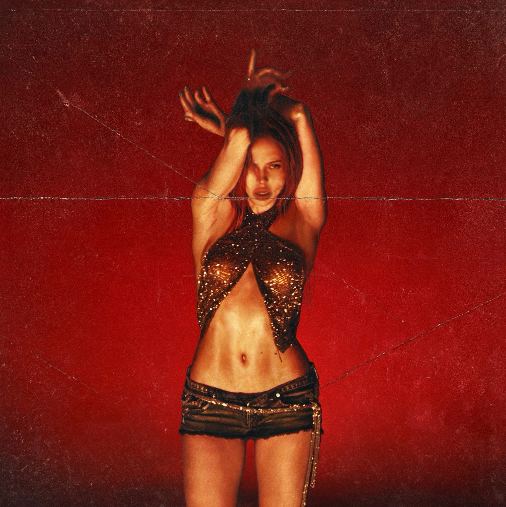
Sheva Elliot
The Los Angeles singer-songwriter shares the inspiration behind her latest single, embracing vulnerability and creating music rooted in honesty, instinct, and self-discovery
Los Angeles-born singer, songwriter, and producer Sheva Elliot has built a sound rooted in the intersection of roots rock, Americana, soul, gospel, and classic rock — music that feels both timeless and deeply personal. A lifelong vocalist who began singing at four years old, Elliot approaches songwriting as a way to explore what she calls “the truth of the human experience,” embracing vulnerability, freedom, heartbreak, desire, humor, and the messy process of becoming who we are. With a voice that carries both grit and warmth, she creates songs that fully explore the complexity of being human.
Her latest single, “Birds of a Feather,” captures that emotional honesty in a bold, twangy roots-rock anthem about choosing instinct over expectation. The track explores the tension between doing what’s considered “right” and following what makes your heart race — a theme that runs throughout Elliot’s forthcoming full-length album. As the main writer, composer, and producer of her work, Elliot continues to shape a musical world that reflects her own journey of growth, self-discovery, and fearless authenticity. In this interview, we talk about the story behind “Birds of a Feather,” her creative process, embracing genre-blending influences, and the lessons found in following your own path.
Your new single explores the tension between doing what’s expected and following your heart. What sparked the idea for this song?
A past relationship.
“Birds of a Feather” has a twangy, upbeat energy while dealing with emotional conflict. How did you approach balancing those two sides?
For me, music is a mirror to life. Our human experience includes pain and joy, sorrow and excitement. This song is about doing what your mother warned you against — knowing the risk, but also wanting to fly your own way.
You describe the song as saying “to hell with it” and going after what makes your heart race. How much of that mindset reflects where you are personally right now?
Oh, man. I think that’s the mindset every artist needs in order to keep going. Our life is subjective — we get this one chance, so we might as well be inside our life, not just a witness to it.
Your music often explores what you call “the truth of the human experience.” What truths were you most interested in exploring with this release?
What your friends and family warn you against might actually contain a valuable lesson. Every single person on your path is a teacher.
You’re deeply involved as a writer, composer, and producer. How does having control over so many parts of the process shape the final result?
I’m grateful that this track — and this whole album — really feels like the story I want to tell. It’s got the sound that feels more like “me.” But I can’t capture the magic without the talent and input of the other amazing people on the team!
What does your songwriting process usually look like — does a lyric, melody, or emotion come first?
It really depends. Sometimes I’ll get a melody and start playing with it. Sometimes I’ll have a story I want to tell and see how its arc would sound musically.
Your influences range from Aretha Franklin to Chris Stapleton and Grace Potter. Which artists had the biggest impact on this particular track?
“Birds of a Feather” came to me from a personal experience. It was one of those moments where the melody and lyrics all flooded in at once, so I wasn’t thinking about other artists when writing it. During production though, most artists will bring some inspiration to their engineer — my engineer Claire Morison and I cited Lainey Wilson for this track.
Your sound blends roots rock, Americana, gospel, soul, and classic rock. How did you find confidence in embracing multiple genres rather than staying in one lane?
Honestly, it’s impossible for me to stay in one lane — does music itself ever stay in one lane? I think it’d be very hard to find a purist of any one genre, unless we’re talking classical. Most of my favorite artists pull from different influences.
Vulnerability is a major theme in your work. Has becoming more open in your songwriting become easier over time, or more difficult?
I don’t think of it in terms of easy or difficult. I try to write with as much honesty as possible; it doesn’t really feel like a choice to me. If I’m going to create something, it better be from the gut.
You mention this upcoming album traces growth and self-discovery. What version of yourself does this record introduce listeners to?
Each track of this album was written at different times in my life. There was a lot of grief that gave way to acceptance and ultimate freedom. It’s the version of me between the last chapter and the next chapter. Not quite grown, but way more grown than before.
Was there a song on the upcoming album that challenged you creatively or emotionally more than the others?
“One More Time” was definitely a tender one. I was in a pretty raw place when I recorded it. We cut it live, just me and the piano. I love that song and loved the process because there was nothing for me to hide behind.
What do you hope listeners take away after hearing “Birds of a Feather” for the first time?
Only you know what’s best for you. Have a blast!
As someone making music that’s rooted in authenticity and instinct, what does success look like for you right now?
If I can reach another person and help them put to words what they’re carrying inside, to lessen their burden, I’ve done a good job.
Official website of Sheva Elliot.
About the Author