The Finnish electronic punk duo discuss their new single, their enduring inspiration from The Prodigy, and their collaborations with Maxim, DJ Hyper and Zardonic
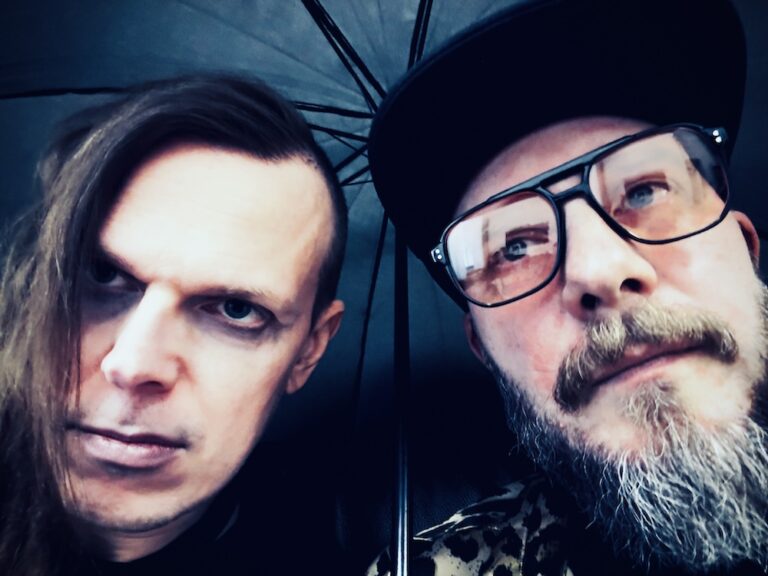
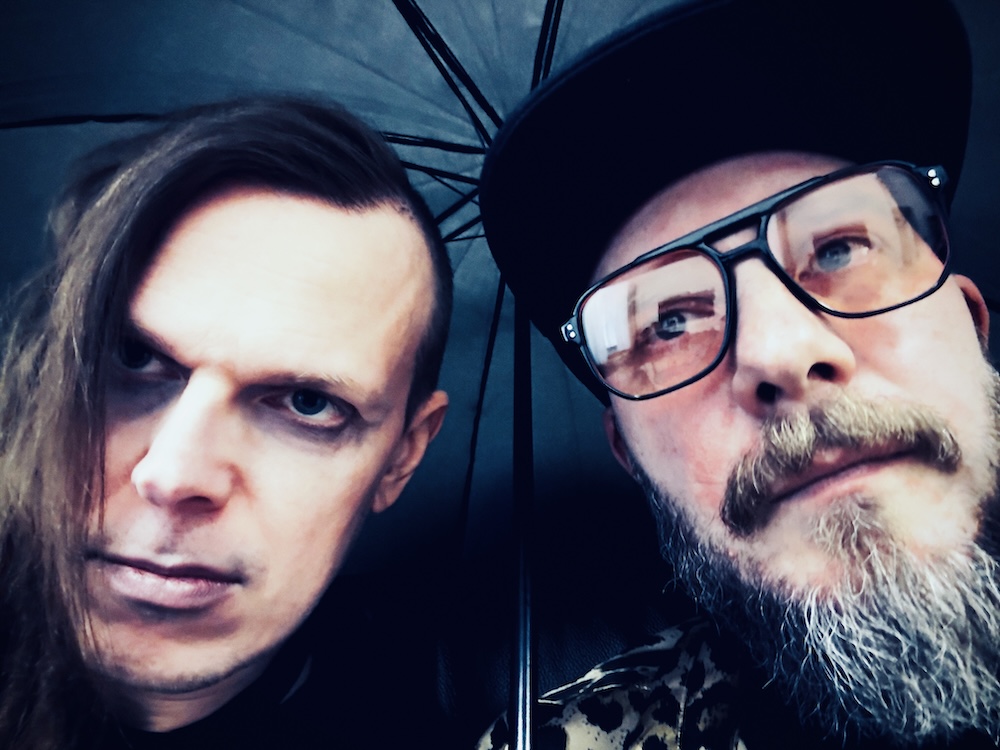
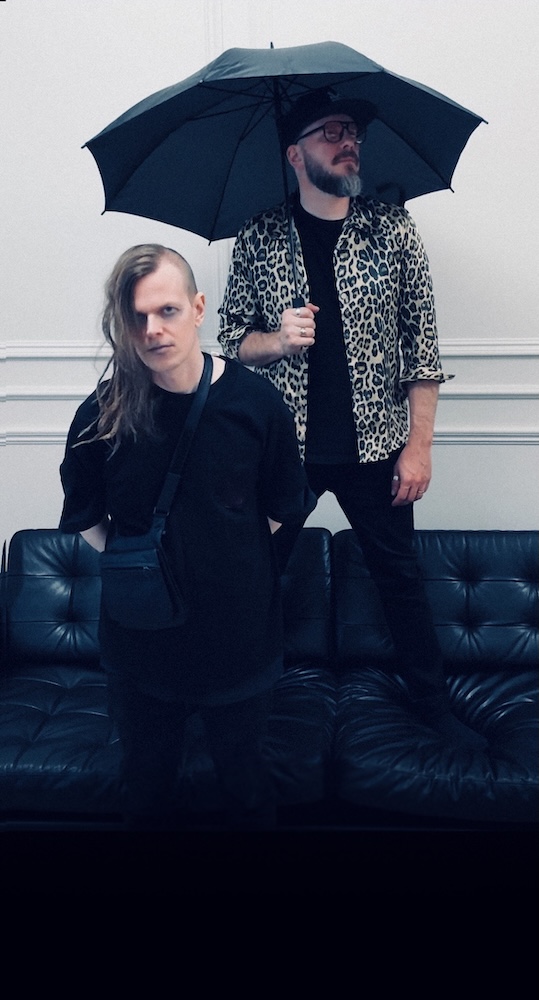
Hailing from Helsinki, Finland, electronic punk duo I Think I Broke Something (ITIBS) have been pushing the boundaries of electronic and heavy music since 2014. Built around Jouni and Miika, the project brings together raw electronics, distorted synths, pounding beats, aggressive rhythms and uncompromising vocals, drawing on everything from electro, breaks and big beat to punk, industrial and metal. Their sound is difficult to pin down, landing somewhere between the explosive electronic energy of The Prodigy, the dark industrial textures of Skinny Puppy and the crushing intensity of 3TEETH, yet retaining a distinctive identity of its own. Over the years, ITIBS have released three full-length albums alongside numerous singles, EPs and remixes, working with small independent labels while maintaining a strong DIY ethos through self-releases and complete creative freedom. Despite operating firmly outside the mainstream, the duo have collaborated with notable names including Maxim of The Prodigy, electronic producer DJ Hyper and drum’n’bass and metal artist Zardonic. At the heart of their approach lies a refusal to follow conventional genre rules or chase commercial expectations, favouring music that is unpredictable, confrontational and built to hit hard both on record and on stage. For ITIBS, total musical disobedience is more than a slogan — it is the foundation of everything they do.
With their latest single, Decadence, ITIBS continue to explore the space between electronic aggression and punk attitude, offering a more direct, vocal-driven track without compromising their distinctive edge. The single is the third preview of their upcoming Another Escape EP, which promises further genre-crossing experiments, from drum’n’bass-meets-metal to darker electro stompers. We caught up with the duo to discuss the ideas behind Decadence, their creative process, the freedom of remaining independent, their collaborations and their plans to take ITIBS further into the live arena.
“Decadence” is described as one of your most radio-friendly tracks, despite being an electro-industrial punk song. What does “radio-friendly” mean to ITIBS, and was making a more accessible track a conscious decision?
By our standards, Decadence is radio-friendly in the sense that it’s a fairly straightforward, energetic track, and the vocals are clean and not heavily processed. We didn’t consciously set out to make something “radio-friendly”, but I suspect it’s one of our most accessible tracks because it’s quite vocal-driven.
The title “Decadence” immediately suggests excess, decline and a certain darkness. What does decadence mean to you, and what inspired the song?
The idea was partly to create a counterforce to excessive health and self-improvement culture. I’m not saying you should deliberately trash yourself, but the lyrics take a strongly antagonistic point of view toward the idea that you should constantly be turning yourself into a more productive and better person.
You describe the track as a collision between Viagra Boys and The Prodigy while still existing in its own universe. What were you trying to create that you hadn’t heard before?
The Prodigy have always been a huge source of inspiration for us, and this time we wanted to play around with a slightly more rock or post-punk approach. I’m not sure how clearly that comes across to other people, but to us, Decadence is basically a “rock song.”
ITIBS has been active since 2014. When you look back at your earliest material, how different is the band you are today from the band you started with?
Same but different. Crossover has always been part of our sound, but in the early years we leaned more toward electro trash and electro house. Over the years, we’ve become more aggressive. The basic idea and energy have stayed the same.
Your music moves between electronic punk, industrial metal, breaks and big beat. Why have you always resisted staying within one genre?
Combining electronic and heavier, more metal-oriented sounds has always fascinated us. That probably comes from listening to a lot of different genres, from death metal to trip-hop. The common factor in the music we like is usually some kind of twist or distortion that sets it apart from the crowd.
Do you think genre labels are useful for musicians, or do they ultimately limit the way people listen to music?
Yes and no. Genre labels give people some idea of what they’re getting into, which can be useful. But sometimes there simply isn’t a suitable label for the music you’re making.
There is a very physical quality to your music — distorted synths, aggressive rhythms and heavy beats. How important is it for you that the music feels physically powerful rather than simply sounding interesting?
It definitely has to feel physical, and there needs to be a certain forward-driving energy. We like music that raises your heart rate, but groove is also a really important part of it.
You have described your approach as “total musical disobedience.” What does musical disobedience mean to you in practice?
For us, it means ignoring genre boundaries. Basically, you can take inspiration from any genre as long as you put it through the ITIBS filter.
The DIY mentality seems central to ITIBS. What does remaining independent allow you to do that you might not be able to do within a more conventional music industry structure?
DIY allows us to make exactly the kind of music we want to make. Bigger labels don’t seem to see any obvious commercial potential in us, so they leave us completely alone, which is actually just fine for us. And I think adapting our music to fit the market would take away a lot of its substance and fun.
Do you think being based in Helsinki and being part of the Finnish underground scene has influenced your sound or your attitude toward making music?
That’s difficult to judge. I feel like we’re pretty much on our own with this particular combination of genres in the Finnish music scene. There really aren’t many bands here making this kind of sound.
You have collaborated with artists such as Maxim from The Prodigy, DJ Hyper and Zardonic. What did you learn from working with musicians who come from very different corners of electronic and heavy music?
First of all, working with them has been a lot of fun. The biggest thing has probably been realizing that even though they have far more visibility and much more impressive release catalogues, I’d say the basic process of making music still comes from pretty much the same place as ours.
What was it like collaborating with Maxim from The Prodigy, considering how strongly The Prodigy is connected to the kind of electronic punk and big-beat energy that also appears in your music?
We made a remix of one of Maxim’s tracks, and even though it never became an official release, it was still probably the coolest thing we’d done up to that point. Just knowing that Maxim liked our music and our approach gave us a lot of extra motivation to keep doing what we do.
How do Jouni and Miika divide the creative work? Do you have clearly defined roles, or does everything develop through experimentation and improvisation?
Jouni does most of the initial creative work. Once a track starts taking shape, we turn it into a live version and continue developing it from there until the track is finished. Some songs are also based on material recorded during live sessions.
When you begin a new ITIBS track, what usually comes first — a beat, a synth sound, a vocal idea, a riff, or simply an urge to make something aggressive and strange?
It can really be any of those, but most often the first element is a synth sound or a beat. Sometimes a track is built around a particular punchline, but usually the vocals come last.
Your music deliberately combines elements that could easily sound incompatible. How do you know when you’ve crossed the line from exciting chaos into something that doesn’t work?
Good question. We don’t, really. When you come back to a demo with fresh ears, the elements that don’t work usually start jumping out at you. But it’s also a matter of taste, and I’m sure plenty of people think our music already contains a lot of incompatible elements. There’s always a risk that something simply won’t work.
You have released three albums, numerous singles, EPs and remixes since 2014. Has the way you approach releasing music changed as streaming and the independent music landscape have evolved?
Releasing music has become a bit more routine for us. In the early days, small labels released our music, but at some point we realized we could do more or less the same work ourselves. That would probably change if a label came along with significantly greater resources than what we have on our own.
What can listeners expect from the upcoming Another Escape EP that they haven’t heard in the previous singles? Is there a particular idea or atmosphere connecting the tracks?
There are two tracks on the EP that won’t be released as singles. That’s just how things seem to work these days; it makes sense to release a lot of singles. The EP also includes probably our most straightforward drum’n’bass-meets-metal track, as well as something closer to a more traditional dark electro stomper.
Your songs seem designed to work both through headphones and in a live environment. Do you write with the stage in mind, and how important is the live experience to ITIBS?
These days, I think about the live side quite a lot. Some of the songs in our live set have been reworked, with slightly simpler structures and faster tempos, which seems to work really well on stage. We haven’t played that many shows so far, but with this EP we’re trying to step things up on that front.
Electronic punk and industrial music have always had a rebellious side. What, if anything, do you think music should rebel against today?
Our rebellion is probably more about what we don’t do. We don’t calculate everything or try to manufacture some kind of optimized product designed to please algorithms and reach the biggest possible audience. We tend to go against the grain.
After more than a decade as ITIBS, what still excites you about making music together? And is there something you would like to do with the project that you haven’t dared to do yet?
Making music is simply something we do. Maybe we’ve been lucky in the sense that we don’t really have to search for a style or direction. We pretty much just make whatever we feel like making. In the future, we’d definitely like to play more live shows.
About the Author