The Ingrid
A rising UK trio formed at university in Chichester, The Ingrid blend dream-pop, shoegaze and alt-rock to create absolutely unique atmospheres
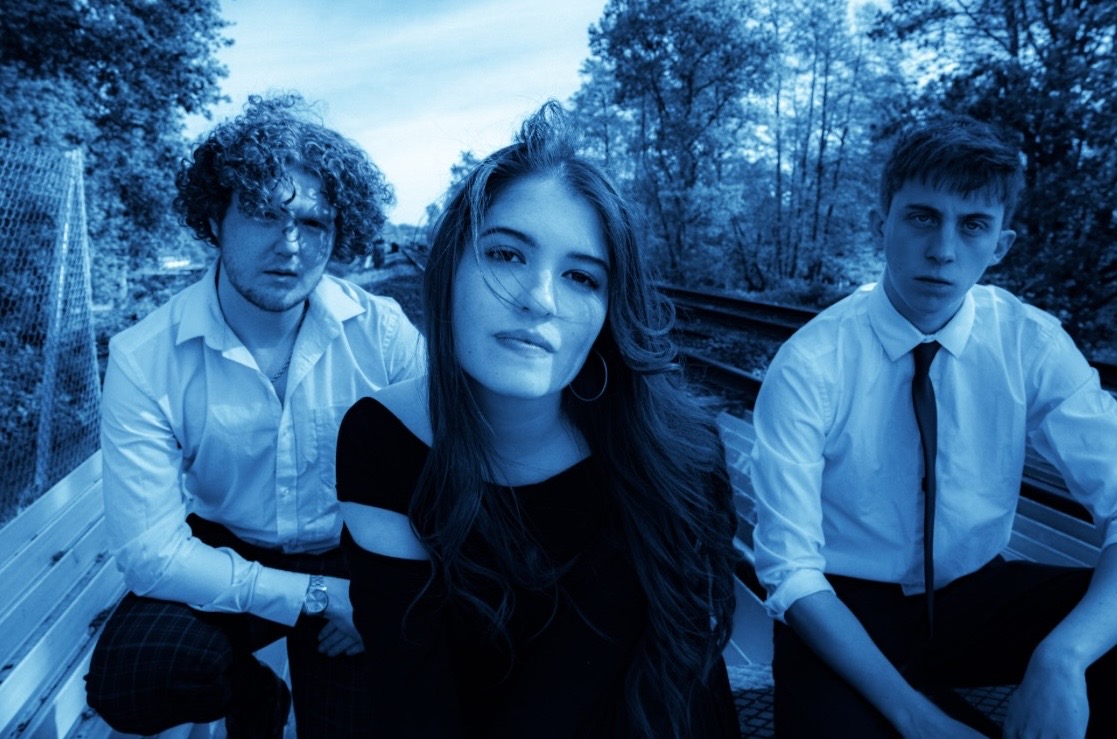
Emerging from Chichester’s university music scene, The Ingrid are quickly becoming one of the UK alternative underground’s most intriguing new voices. Formed by Jess Charleslyn, Will Hornsblow and Josh Platt, the trio have cultivated a sound that thrives in contradiction — blending dream-pop haze, shoegaze textures and alt-rock sensibilities into something that feels both comforting and quietly unsettling. Drawing inspiration from artists such as The Sundays, Wolf Alice, The Smiths and The Marías, The Ingrid create music that ventures into emotional grey areas, where softness and tension fight for coexistence.
Their latest single Lullaby continues that approach while deepening the themes that have threaded through earlier releases like Limerence and Mother. Rather than offering comfort in the traditional sense, Lullaby explores illusion, emotional performance and the uneasy feeling of recognising that things — or people — may not be what they first seem. As the band continue building momentum and hint toward larger projects on the horizon, we caught up with The Ingrid to talk about collaboration and finding a sound entirely their own.
How did you all first meet, and what brought you together as a band?
Jess: Mutual friends and general university life brought us together. There was one day when Will and I decided to play together and from there he invited Josh.
Josh: I had known Will for about a year before meeting Jess. We used to jam together without much direction. When we started playing with Jess, the three of us clicked and suddenly found that direction.
Will: We all met at university through our shared love of music — and especially making music together.
What was the moment when The Ingrid officially formed?
Jess: That very same night! Although originally we were called TV Light.
Josh: Probably when we realised we were actually onto something that people might genuinely enjoy.
Will: I think it happened naturally once we realised we had something that felt different.
Why did you choose the name “The Ingrid”?
Jess: We wanted a name that felt unifying — and what could be more unifying than a name, the sum of its parts? It belongs to none of us individually and therefore all of us at the same time.
Josh: The vibe and sound of the name really stood out to us. Its meaning also seemed to fit the themes in our songs quite well.
What does “Lullaby” represent emotionally beyond its title? Was there a specific moment or experience that sparked the concept?
Jess: It’s that moment of realisation when you understand someone isn’t who they say they are. You continue with the illusion anyway, almost as a form of escapism.
How collaborative was the songwriting process for “Lullaby”?
Jess: I wrote this song late one night, pretty close to the version that was eventually released. I was actually going to scrap it, but Josh and Will stopped me. Once we started collaborating, it became what it is today.
Josh: Everything we do is collaborative. We all bring our own unique spin to every song — that’s what creates our sound.
What do you hope listeners feel the first time they hear “Lullaby”?
Jess: Unsettled and comforted at the same time.
Josh: I hope people reach a feeling of comforting understanding. We can’t fix a listener’s problems, but we can make a song that speaks to them.
Will: I like to imagine people find it dark and interesting, but also emotionally affecting.
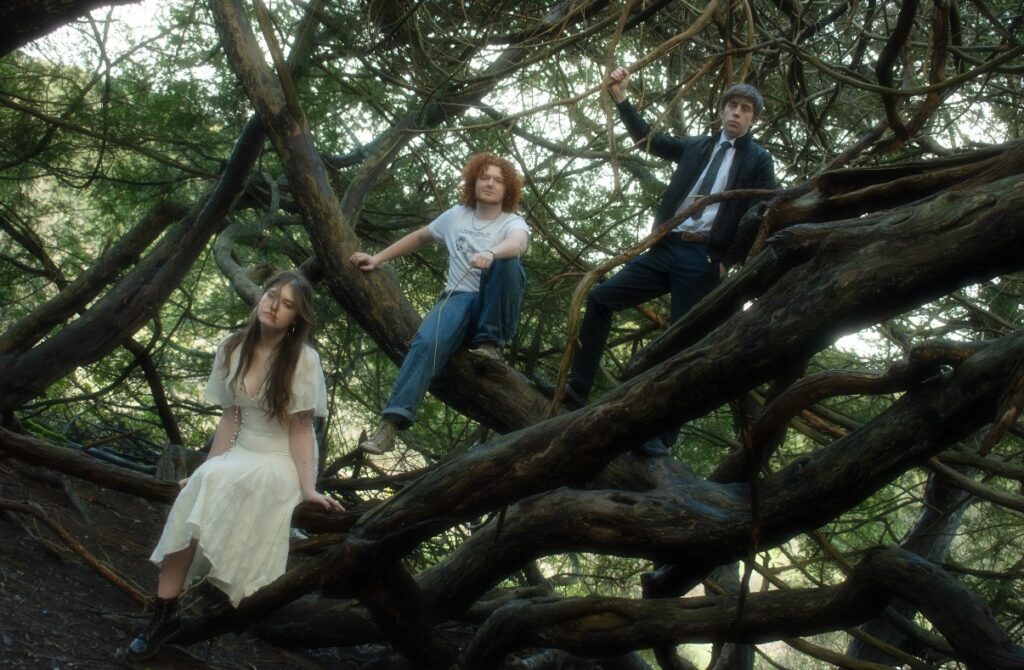
If “Lullaby” were a scene in a film, what would it look like?
Jess: Perhaps a dreamy forest… or a ballet dancer.
Josh: I’ve been working on something you’ll see very soon that might answer this.
Will: I think it would be like a darker version of Hugh Grant walking through Notting Hill. It sounds silly, but any shot of someone walking through a deserted city at night feels right.
How do you balance beauty and unease in your sound without losing either element?
Jess: The honest answer is that we write authentically. We aren’t trying to create beauty or unease — being genuine naturally creates those things.
Josh: Beauty and unease often go hand in hand. Some of the most beautiful things are complex and a little uncomfortable.
Will: Using sonic space is really important because it builds tension that can then be released when the moment feels right.
You’ve mentioned artists like The Sundays, Wolf Alice, and The Smiths as influences. What resonates with you about them?
The Ingrid: These are artists we admire for their individuality, lyricism, and musicianship. There are many more influences too. We never sit down wondering who we sound like, but people always want a point of reference. Ultimately, we’re The Ingrid — and that’s who we want to sound like.
How has your sound evolved from earlier singles like “Limerence” and “Mother”?
Jess: We’re more ourselves now. The sound feels more cohesive and braver — lyrically, rhythmically, and in our commitment to authenticity.
Josh: We’ve gained a lot more confidence in how we collaborate and compose. We know ourselves better as musicians and I think you can hear that in Lullaby.
Will: I’ve started using guitar lines that support the emotion and message rather than overpowering them.
Do you see a connected narrative forming across your releases?
Jess: Definitely. At the moment, our songs seem more focused on processing events rather than the events themselves.
Jess, how has your minimalist singer-songwriter background influenced your layered production style?
Jess: Having written and released music for years, it happened gradually. At first it was always guitar and lots of vocal harmonies — I was hugely inspired by artists like Dodie. Eventually you realise every instrument is a voice.
Will, how did you approach guitar tones to cut through more ambient textures?
Will: I used to love very clean, ambient tones, but now I lean more into overdriven sounds for verses. In choruses I like experimenting with delays, chorus effects, and distortion to create guitar soundscapes.
Josh, what does “storytelling” through drums mean in the context of this song?
Josh: The drums start very minimally, offering almost an irregular heartbeat at first. As the emotions rise, the drums begin to speak — even shout — when things become overwhelming. They become a character experiencing those emotions themselves.
Will: It was that or interpretive dance.
Did any part of the track come together unexpectedly?
Jess: The shift into the major key at the end. I’d been experimenting with minor-to-major changes earlier in the song, but going fully into it at the end really worked.
Josh: Jess’ demo didn’t have drums at all, so we built those in the studio. The polyrhythmic sections came from that process.
Will: A lot of the guitar parts came from a session Jess and I had shortly after she brought in the demo.
What role does ambiguity play in your lyrics and artistic identity?
Jess: Quite a lot. You want lyrics to stay true and authentic, but you also want room for imagination.
Josh: It’s crucial. No feeling is ever entirely certain, and we want our songs to reflect that. We don’t want listeners to know exactly how they’re supposed to feel.
Do you prefer listeners to interpret your songs in their own way?
Jess: Definitely. Songs start with my own meanings and feelings, but once they’re out in the world they’re no longer mine.
Josh: Absolutely. Music belongs to the listener — it’s always personal.
Will: People should make songs their own. Ambiguity is the key.
How important is visual identity to your releases?
Jess: Very important. We want to create a cohesive world where the songs can live.
Josh: As someone who works with visual media, I think it’s hugely important. It’s often the first thing people experience.
Can you tell us about working with Eva Wollaston on the visuals?
Jess: She’s incredibly talented and perceptive. Once we started brainstorming, everything came together very quickly.
How did forming at university in Chichester influence your dynamic?
Jess: We definitely started as a student band and learned our way out of that.
Josh: It made it easier to rehearse constantly and grow quickly using campus facilities.
Will: Not massively — our dynamic comes from how much we all love music.
At what point did you realise The Ingrid had its own distinct sound?
Jess: We’re still discovering that with every release.
Josh: We tried figuring out what genre we fit into and realised we didn’t really fit any.
Will: When we realised we couldn’t pin ourselves down to a single genre.
What challenges have you faced as an emerging UK band?
Jess: Feeding the content beast. Being a musician now often means also being an influencer.
Josh: The sheer amount of talent out there. There are so many incredible bands — you really have to stand out.
Will: The industry can feel actively difficult for new bands, and streaming platforms make it hard financially.
Do you feel pressure to define your sound early on?
Jess: We’re allowing it to evolve naturally.
Josh: Absolutely — we’re changing and evolving as people, so the music should too.
Will: Naturally. I’m constantly evolving my own ideas and sounds.
How do you decide when a song is finished?
Jess: Is a song ever really finished? That’s news to me.
Josh: When the feeling the song gives you feels right.
Will: When we’ve all added our parts and everyone’s happy.
Are there any themes or ideas you’re excited to explore in future releases?
Jess: Not necessarily themes, but I’m becoming really interested in sampling at the moment.
Is a debut album on the horizon? What can you hint about its direction?
Jess: Yes. Think blue. Think about the nature of the songs.
Josh: We definitely have big things coming.
Official website of The Ingrid.
About the Author