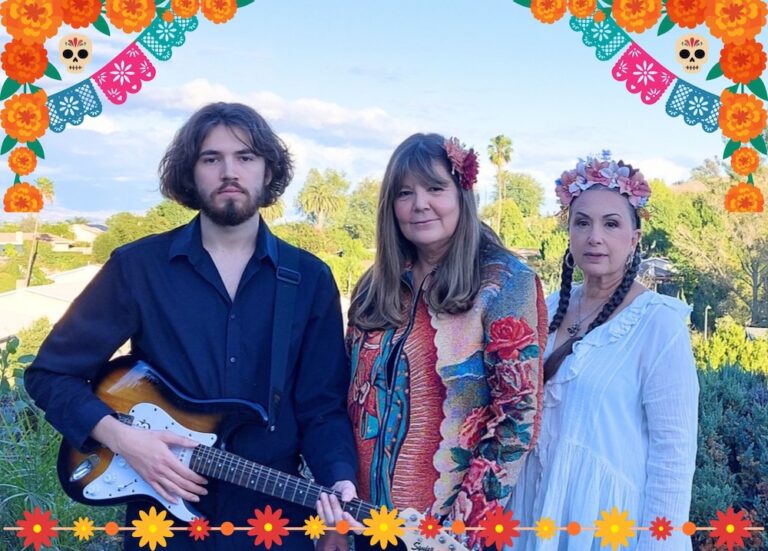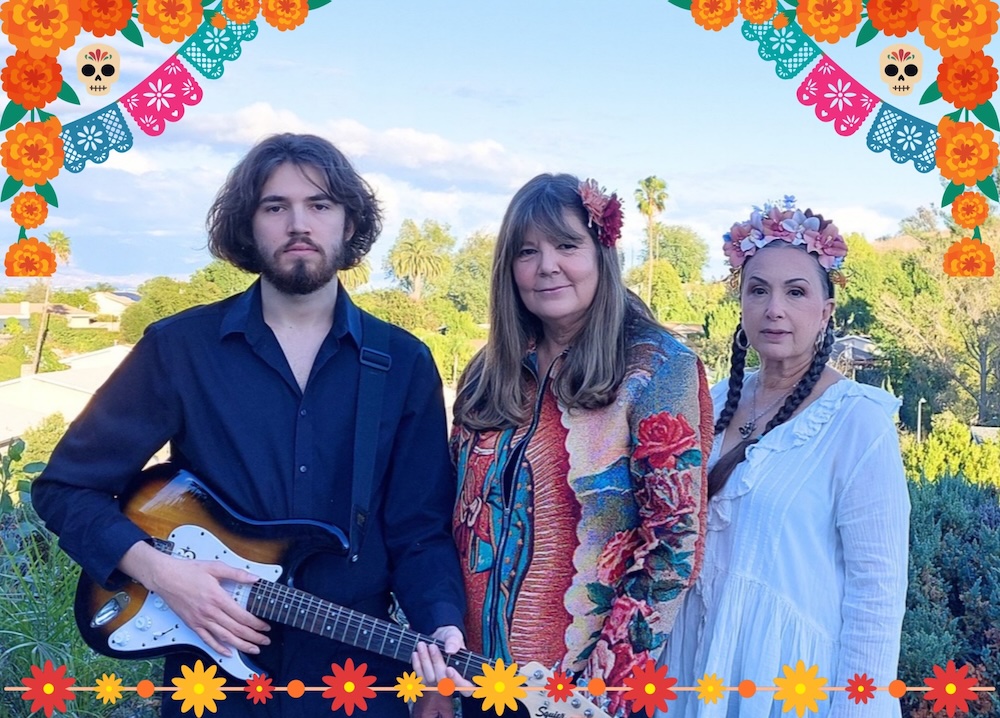
Diana McGrane (center)
The Los Angeles-based singer-songwriter reflects on the personal experiences that have shaped her music and explores the inspiration behind her latest single, “See You Smile Again”
Diana McGrane is a Los Angeles-based singer-songwriter whose music brings together the melodic warmth of soft rock, California pop, and folk-infused songwriting. Raised between two powerful artistic and personal influences—the determination of a Golden Gloves Light Heavyweight Boxing champion on her father’s side and the creative legacy of her Mexican mother, a poet, singer, and guitarist—McGrane inherited both a passion for words and the courage to pursue her dreams. Her love of songwriting began in childhood, when, at just five years old, she became fascinated by Harry Nilsson’s “Without You,” memorizing its lyrics and listening to it repeatedly. She also recalls writing songs during visits to Zuma Beach, singing along with the waves. Although she went on to graduate from college, build a professional career, and become a wife and mother, music remained a dream waiting to be rediscovered. Returning to her guitar eventually opened the door to a new creative chapter, with songs flowing naturally from years of accumulated experiences and emotions. Her debut four-track EP, wondering, explored desire, connection, hope, and reawakening, earning critical recognition from major outlets.
Her latest single and accompanying music video, “See You Smile Again,” released in conjunction with Día de los Muertos, is an intimate reflection on love, memory, and the enduring connection between those who remain and those they have lost. Blending ethereal guitar textures, an expressive solo by Maverick McGrane, and silky harmonies from CJ Wallace, the song balances nostalgic melancholy with a gentle sense of hope. In our conversation, Diana McGrane reflects on the personal story behind the single, her family’s artistic legacy, the musical influences that shaped her sound, and the rediscovery of a childhood dream that ultimately became her artistic calling.
Your new single, “See You Smile Again,” is released around Día de los Muertos, a celebration that honors the memory of loved ones who have passed away. What inspired you to write this song, and how did the idea of connecting love, memory, and the presence of someone who is no longer with us develop?
Fifteen years after my mother’s passing, seeing my father’s ongoing grief inspired me to write my song, “See You Smile Again.” Death is difficult to comprehend. It is hard to process how someone can be present to make memories with you and then no longer exist. Photographs often compound that confusion by defying the logic of loss; the images serve as proof that those captured moments truly existed. While reflecting on what it would be like to access those experiences and relive those interactions again, the lyrics and music came to me, and the song essentially wrote itself.
You describe “See You Smile Again” as a nostalgic remembrance of a long-lost love, but there is also a sense of hope running through the song. How did you approach balancing melancholy with warmth and optimism, and what emotions did you want listeners to experience?
The idea of reconnecting with someone after a difficult separation or loss is a comforting thought that deeply resonates with those who grieve. Whether facing the end of a friendship, a broken relationship, or the passing of a loved one, hope is essential to emotional healing. I felt inspired to write about this meaningful concept and share it.
Día de los Muertos has a particularly rich cultural and emotional significance, especially in Mexican traditions. What does this celebration mean to you personally, and how did your cultural background influence the song’s concept and its release?
Día de los Muertos could be called the Day of the Dead and the Living, as both cherish this reconnection—especially the living. That is the beauty of hope: it opens our hearts to believe beyond scientific reasoning. This song is a reminder to hold onto that hope, no matter how many years pass. Knowing there is an opportunity for my father to cross the border between the spirit world and the physical world to reunite with my mother’s soul brings me great comfort and peace.
The song features ethereal guitar tones, an expressive guitar solo by Maverick McGrane, and harmonies from CJ Wallace. How did you envision the musical arrangement, and how did these contributions help bring the atmosphere you imagined to life?
Because of this song’s vulnerability, I initially hesitated to share it. However, it inspired a beautiful interpretation from everyone involved. Cindy created her own harmonies, and Maverick composed guitar melodies that enriched the song. They both seemed to connect with the raw emotion of the story, bringing something truly special out of their hearts. I am glad I solicited their help and feel fortunate they wanted to be part of the project.
The music video accompanies a song that deals with memory, loss, and enduring affection. What was your creative vision for the visual interpretation, and were there particular images or symbolic elements you wanted to communicate?
I always knew I wanted to tell my parents’ story. They shared an extraordinary love that felt meant to last forever, though it ended far too soon. Going through old albums to capture those hugs, kisses, and smiles was bittersweet, but these moments truly preserve their connection and make it immortal.
Your musical journey began remarkably early. You recall being five years old and repeatedly listening to Harry Nilsson’s “Without You,” fascinated by the cleverness of its lyrics. What was it about that song that first awakened your interest in songwriting, and do you remember the first song you ever wrote yourself?
It’s funny you mentioned my childhood memory of Harry Nilsson’s “Without You”—I feel like its influence runs through all of my music. Hearing a song so deep at a young age, with someone saying they couldn’t live without another person, completely romanticized love for me, and I was hooked. Ironically, my new track “See You Smile Again” comes full circle with that same sentiment. Looking back at my lyrics, Nilsson’s impact is definitely stronger than I realized.
You have described how songwriting remained a childhood dream even as you graduated from college, developed a professional career, and became a wife and mother. What eventually made you realize that music was something you needed to pursue, rather than simply a dream from your childhood?
They say you can’t hide your true colors, and I’ve found that to be true. I used to ignore my passions, thinking that following a conventional path would lead to a more prosperous life. I stopped playing guitar to focus on my career and family, but somewhere along the way, I lost sight of myself. When I finally picked up my guitar again, it felt like breaking a long silence. Reconnecting with music brought me so much joy and positively impacted my relationships with others. I’ve realized that life is short, and we need to spend it doing what we love.
When you returned to your old guitar, you described the songs as simply pouring out of you. Was this creative awakening surprising, and did you find that your years of life experience had given you a different perspective on writing music?
I believe all forms of art are expressions of our emotions, with music and lyrics stemming directly from personal experiences and feelings. It takes practice to fully access that creative subconscious, but when it clicks, the music flows naturally. I am grateful for the ability to channel my feelings into song.
Your family background brings together two very different but equally powerful influences: your father’s connection to boxing and your mother’s Mexican heritage as a poet, singer, and guitarist. How have these family traditions shaped your personality, artistic outlook, and approach to pursuing your ambitions?
When people say that your parents mold you, there is so much truth in that. My father taught me to be a fighter—to stand up for what I believe in and to help those in need. My mother taught me to be creative, free, and unafraid to express myself. I am deeply grateful for both of these influences, as they have shaped who I am today. In my own life, I strive to pass this mindset on to others, helping them build confidence and embrace self-expression.
Your music combines elements of soft rock, California pop, and folk-infused songwriting. Which artists and musical traditions have had the greatest influence on your sound, and how do you find the balance between drawing inspiration from your influences and developing an individual musical identity?
Now you’re speaking my language! I love ’70s and ’80s bands like Ambrosia, Boston, Player, Pablo Cruise, Andy Gibb, and Eddie Money, to name a few. Those songs are right up my alley because they are melodic, feature great harmonies, wonderful lyrics, and all focus on love. I find that same theme in other genres as well, including music by the Gipsy Kings, Midland, Jon Pardi, and Brothers Osborne. Basically, if a song is about love, I’ll like it!
You write about deeply personal experiences, relationships, and emotional connections. How much of your songwriting comes directly from your own life, and do you ever find that transforming personal experiences into songs helps you understand them differently?
Every song I write comes from personal experience or something I can deeply relate to. That is the true beauty of music: the topics and themes are endless. As long as you remain honest about your intentions, the music is meaningful. Life gives us a wonderful opportunity to share our thoughts and passions with others.
When writing a song, do you usually begin with lyrics, a melody, or a particular emotional feeling that you want to capture? Could you take us through your creative process, from the first idea to the finished recording?
My songwriting process is simple: I pick up the guitar, start playing chords, and let the lyrics flow naturally. I don’t write lyrics first; I let the song emerge as I play, and then I refine it. It’s the only way I know how to write.
Los Angeles has a distinctive musical heritage, particularly when it comes to California pop and soft rock. How has living and working in the Los Angeles area influenced your sound, and do you feel connected to the musical traditions associated with the city and its surrounding communities?
I don’t think I would be where I am today without Los Angeles. It truly feels like a city of angels—people who lift you up and open up new possibilities. The people I’ve met here are incredible innovators and creators who go on to do great things. There is a unique energy that makes you feel like nothing is impossible, and I don’t think I could ever leave.
As someone who returned to music after pursuing other ambitions and responsibilities, what would you say to people who have creative dreams they have put aside because of family, work, or other circumstances? Do you believe there is a particular moment in life when it becomes easier to embrace those ambitions?
I always encourage people not to worry too much about finances when pursuing their passions. If you do what you love and follow your dreams, your interests will sustain you. We should all take advantage of the opportunity to be here, share our gifts, and show the world what we can do.
How would you describe yourself as an artist to someone discovering your music for the first time? Are there particular qualities or emotions you hope people associate with your songs?
Working on this latest project has made me feel like a kid again, which reminds me how important it is to pursue what we love. It truly reinvigorates your soul and brings joy to life. My hope is for people to trust themselves and one another—we are all interconnected, and we grow stronger when we support each other.
Listen to Diana McGrane on Spotify
About the Author