Steven Boom
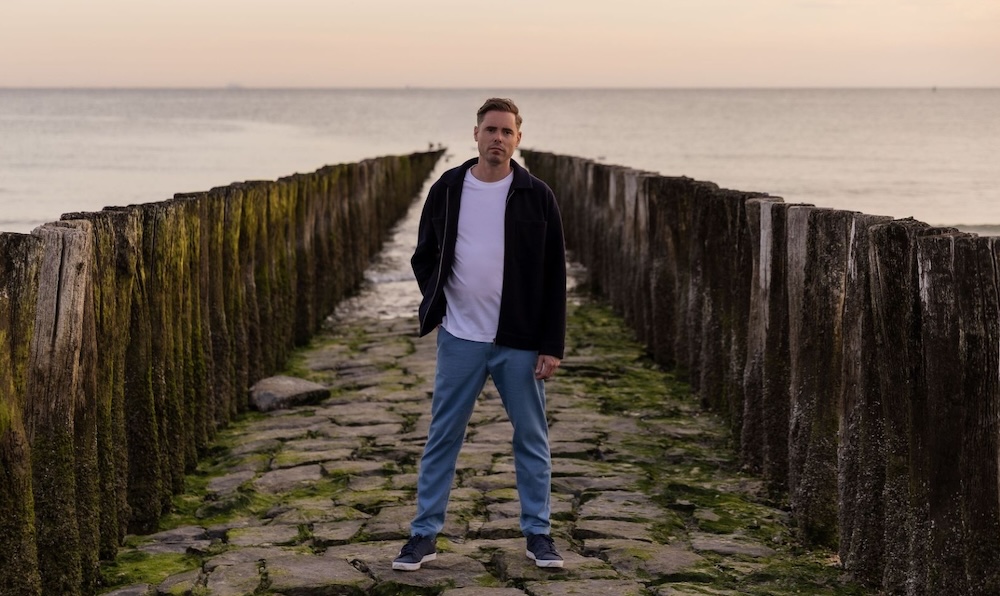
The Dutch DJ-turned-artist joins forces with vocalists boasting over 650 million combined Spotify streams for a dance-pop release packed with irresistible hooks
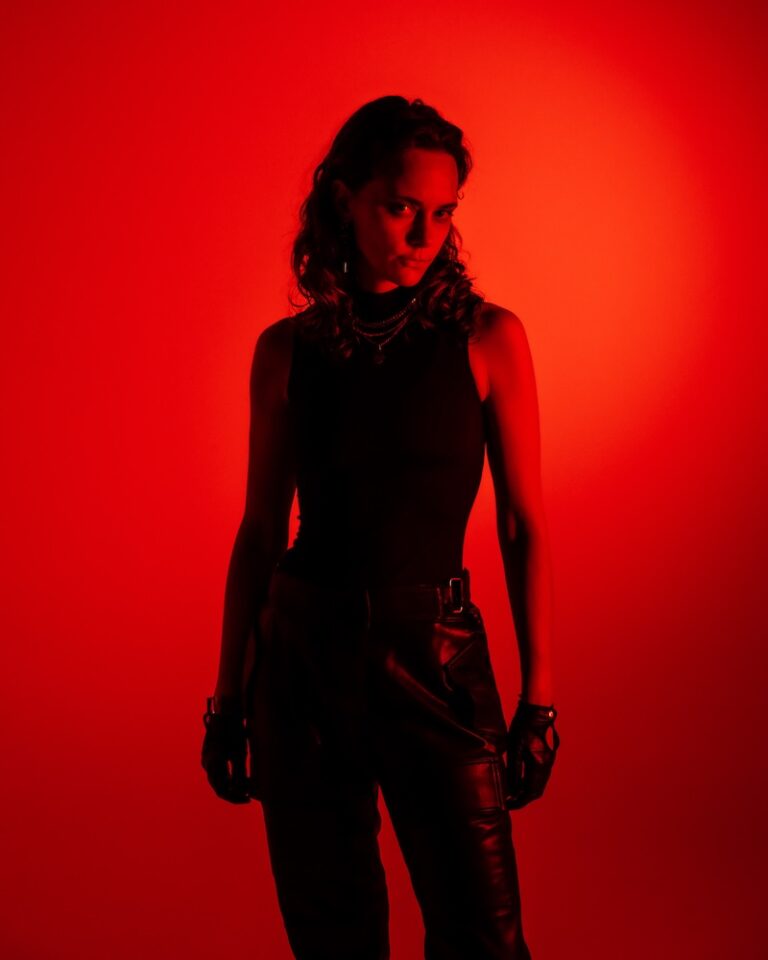
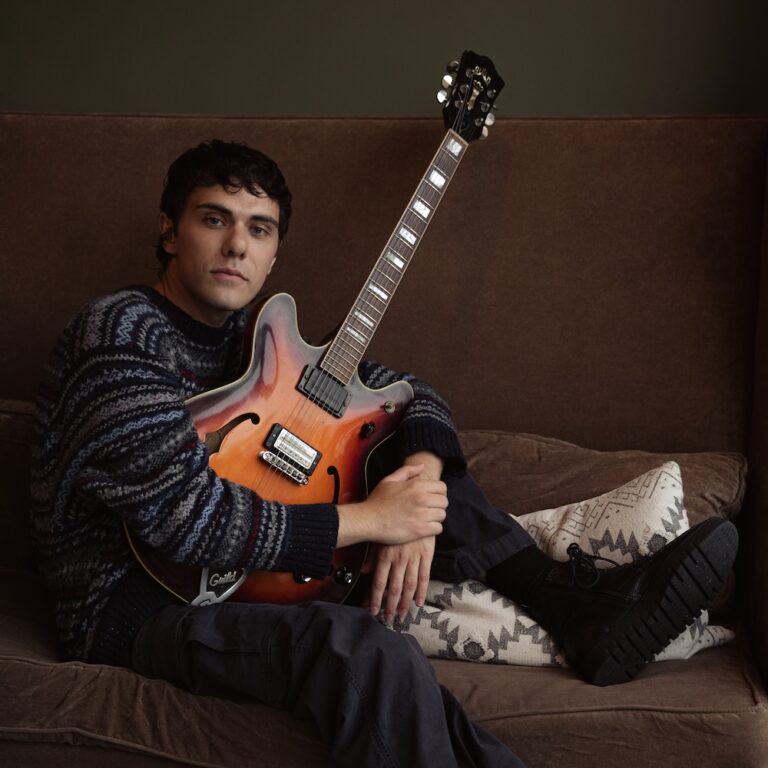
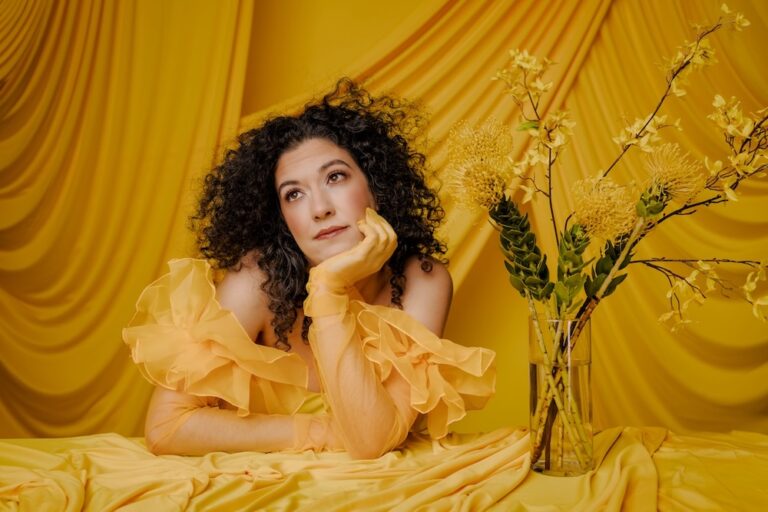
Steven Boom’s “End of the High” captures the rush of a summer romance and the uncertainty of what happens when the party ends. Driven by infectious dance-pop production, the track explores the thrill of meeting someone who makes everything feel possible, from spontaneous nights and reckless plans to the illusion that summer might last forever. But can that connection survive beyond the holiday, or was it simply a perfect moment in time? Boom turns this familiar romantic dilemma into a musical back-and-forth, pairing Swedish vocalist Philip Strand with Dutch singer-songwriter Amanda Collis in a dual-vocal narrative that unfolds like a conversation between two people caught up in the same attraction but seeing it from different perspectives. Co-produced with Dutch dance heavyweight Maarten Vorwerk, the track blends big melodic hooks and dancefloor momentum with a bittersweet edge. Strand, whose collaborations include Galantis, JVKE, Cheat Codes and Armin van Buuren, brings more than 500 million Spotify streams to the table, while Collis has worked with artists including Fedde Le Grand, Cat Dealers and Brennan Heart. The result is a meeting of dance-music pedigree and pop storytelling, with a hook that lingers long after the high wears off.
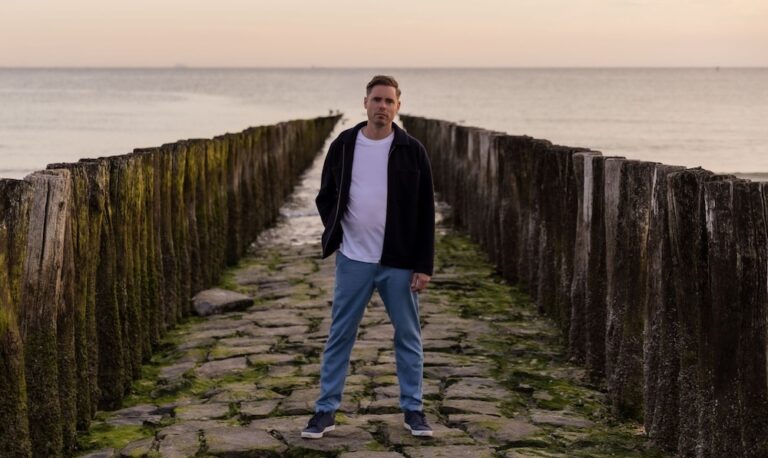
For Boom, the single marks the beginning of a collaborative musical project rooted in melody, emotion and the enduring appeal of great dance-pop songwriting. Drawing on his early experiences as a DJ in the Netherlands and a lifelong fascination with the records that bring people together, Boom approaches music as something that should soundtrack everyday life as much as it moves a dancefloor. Bringing together Strand and Collis, “End of the High” serves as an infectious introduction to the project, uniting three distinct creative perspectives.
Your new single, “End of the High,” explores meeting someone who changes your life and wondering whether that connection can survive once summer ends. What inspired the song’s concept?
I think most people know that feeling when you meet someone and suddenly everything becomes a little more exciting. You make spontaneous plans, stay up far too late and don’t really worry about what comes next. But eventually the holiday ends, you go back to work and everyday life takes over. That’s when you find out whether there was something real between you or whether it was just the excitement of the moment. I love that contrast, and it’s what drew me to the story behind End of the High. We wanted to capture that feeling in a song that’s uplifting and makes you want to dance, even though there’s a little uncertainty underneath it. Some of my favorite dance records have that combination.
One of the most distinctive elements of the track is its dual vocal narrative, with Philip Strand and Amanda Collis telling the story from opposite perspectives. Why was it important to explore both sides of the relationship?
The funny thing is that we didn’t originally plan to make a duet. Maarten and I had been developing the production and were exchanging demos and ideas with Philip and Amanda when I suggested bringing their voices together. I liked the idea of two people telling the same story, but not necessarily experiencing it in exactly the same way. We started experimenting with a call-and-response structure, almost like a conversation between two people who are attracted to each other but aren’t quite sure where it’s going. It took some back and forth to get right, but once we heard their voices working together, the song suddenly made much more sense. That’s one of the things I enjoy most about making music with other people. You start with one idea, and somewhere along the way it becomes something you couldn’t have imagined on your own.
You’ve described “End of the High” as the right record to introduce your musical project. What does the single communicate about the sound and emotional direction you want to establish?
I’ve always listened to music in different ways depending on what I’m doing. In the morning I might want something melodic and relaxed, in the car I’ll turn up a great pop or dance record, and later that night I might be listening to something completely different. That’s really the idea behind Steven Boom. I want to make music that fits into people’s lives, not just something that works in a club. End of the High felt like a natural first release because it brings together a strong melody, a story you can relate to and enough energy to dance to. I’ve also turned that listening philosophy into three mixtape series called Morning Coffee, The Car and The Dancefloor, where I play the music I enjoy alongside my own releases. For me, those three moments are all connected.
You co-produced the single with Maarten Vorwerk, who has extensive experience in electronic and dance music. How did your creative partnership develop, and what does he bring to your records?
Maarten and I work well together because we approach music from different angles. I usually start with an idea, a melody or a particular feeling I want to capture, and Maarten has the experience and technical ability to turn that into a record. But what I appreciate most is how critical he is. He’ll tell me straight away when something doesn’t work, even when I’ve become completely attached to it. We can spend quite some time discussing a melody or a particular part of the arrangement, and neither of us is afraid to challenge the other. I think that makes the music better. There’s a lot of trust between us, and we both know that the only thing that really matters is whether we’ve made the best song we can.
Philip Strand has collaborated with major names across dance and electronic music, while Amanda Collis has an impressive catalogue of vocal and songwriting credits. What made them the right voices for “End of the High”?
Philip has a voice that immediately draws you into a song. There’s something very natural about the way he delivers a melody, while Amanda brings this warmth and energy that really lifts the record. They’re also both talented songwriters, which was just as important to me as their voices. What makes the combination work is that they each bring a different personality to the story. When you listen to them together, it genuinely feels like you’re hearing two sides of the same relationship.
When you begin developing a record, do you usually have a clear vision of the finished song, or does the track evolve through the contributions of the people involved?
I usually know what excites me about an idea, but I rarely know exactly what the finished record will sound like. It might start with a melody I’ve had in my head for years, something I heard in an older song or simply a feeling I want to recreate. I don’t play an instrument and I can’t read music, so my way of working is probably a little different from that of a traditional songwriter or producer. I listen to an enormous amount of music, and I enjoy imagining what an idea could become. From there, it’s about working with people who can bring something to it that I can’t. I like having a clear direction, but I’ve also learned that some of the best moments happen when someone surprises you and takes the song somewhere unexpected.
Do you tend to build a song around a particular vocalist, or do you first develop the musical idea and then find the voice that best brings it to life?
Most of the time we start with the musical idea and then think about who could bring it to life. A voice can completely change the character of a song, so finding the right person is a big part of the process. I actually like the freedom of working with different singers because it means every record can have its own personality without having to sound exactly like the previous one.
You started DJing at a young age in the Netherlands, during an influential period for European dance music. What first drew you to DJing, and what are your strongest memories from those early days?
I grew up in the Netherlands in the ’90s, when European dance music was everywhere. I loved those records with melodies you could recognize within a few seconds, and I became fascinated by the way DJs could bring them together and create an atmosphere. I started playing at school parties, later moved on to clubs and spent summers DJing abroad. What I remember most is the reaction when you played exactly the right song at the right moment. You could have a room full of people who didn’t know each other, and suddenly everyone would be singing along.
I also used to make mixtapes on CDs for friends. I’d spend hours choosing the songs and getting the order right, and those CDs would end up being passed around. Looking back, it’s quite funny that I’m doing something similar again so many years later. The technology has changed, of course, but the idea behind my Morning Coffee, The Car and The Dancefloor mixes is pretty much the same: sharing music I love and hoping other people enjoy it just as much.
How has your experience behind the decks influenced the way you approach producing dance-pop records today?
DJing taught me to listen to music from the audience’s perspective. You quickly discover that a record doesn’t have to be complicated to connect with people. Sometimes it’s a simple melody, a particular vocal or just the way a chorus comes in that makes everyone react. That instinct has stayed with me, although my taste in music has become much broader over the years. I listen to everything from pop and hip-hop to rock and country, and I’ve become much more interested in songwriting and the stories behind records. So while I still want my music to have that energy I remember from DJing, I’m just as interested in making songs people want to listen to when they’re nowhere near a dancefloor.
Returning to music has meant combining your DJ instincts with a more deliberate approach to production and collaboration. What have you learned about yourself creatively during this new chapter?
For quite a few years, I wondered whether it was realistic to get back into music while having a career in finance and raising four kids. Life is busy enough as it is, and I couldn’t imagine going back to DJing every weekend the way I did when I was younger. Eventually, I started talking to people about making records instead, and almost everyone asked me the same question: why wouldn’t you? That made me realize I didn’t have to choose between the two worlds. I could approach music differently, work with talented people and build something over time. What I’ve discovered since then is how much I enjoy the creative process itself, especially the collaboration. In my professional life I’m used to making plans and analyzing decisions, but with music you also have to accept that not everything can be explained. Sometimes you hear something and just know it feels right.
Your records bring together songwriters, vocalists, producers and visual creatives. Do you see Steven Boom primarily as an artist, a producer or the creative force connecting all these elements?
I see myself as an artist, but one who creates music through collaboration. I’m very comfortable with the fact that there are people who can produce, write or sing far better than I can, and I genuinely enjoy working with them. My contribution is bringing the initial ideas, shaping the creative direction and making sure the different elements come together. That extends beyond the music itself. With End of the High, we’ve also worked with a team of filmmakers, photographers, designers and people helping us introduce the record to an audience. It’s been really rewarding to see how everyone brings their own ideas to the project. Of course, when someone listens to the finished song, none of that should matter. They should simply hear a record they enjoy.
With “End of the High” marking the beginning of this project, how do you envision the sound and identity of Steven Boom evolving across future releases? And what do you hope listeners feel or discover through this first release?
Maarten and I already have several other records in development, and what excites me is that they all have something different about them. Some are more pop-oriented, others lean further towards dance music, and we’re working with different songwriters and vocalists along the way. I’ve always had a soft spot for the music of the ’80s, ’90s and early 2000s, particularly those melodies that somehow stay with you for decades. I love exploring how you can bring some of that feeling into a contemporary record while still creating something new. I don’t want to keep making the same song over and over again, but I do hope there’s a recognizable feeling running through everything we release.
With End of the High, I’d love for people to discover a song they want to play again. Maybe it reminds them of a summer holiday, someone they met or a particular time in their lives. I think that’s what music does so beautifully. You can hear a song years later and suddenly remember exactly where you were and who you were with. If one of my records can become part of someone’s memories like that, I’d be very happy.
Official website of Steven Boom
About the Author