Cooper Phillip
The Los Angeles–based artist refines her blend of pop and R&B through a more intimate and emotionally restrained sonic approach
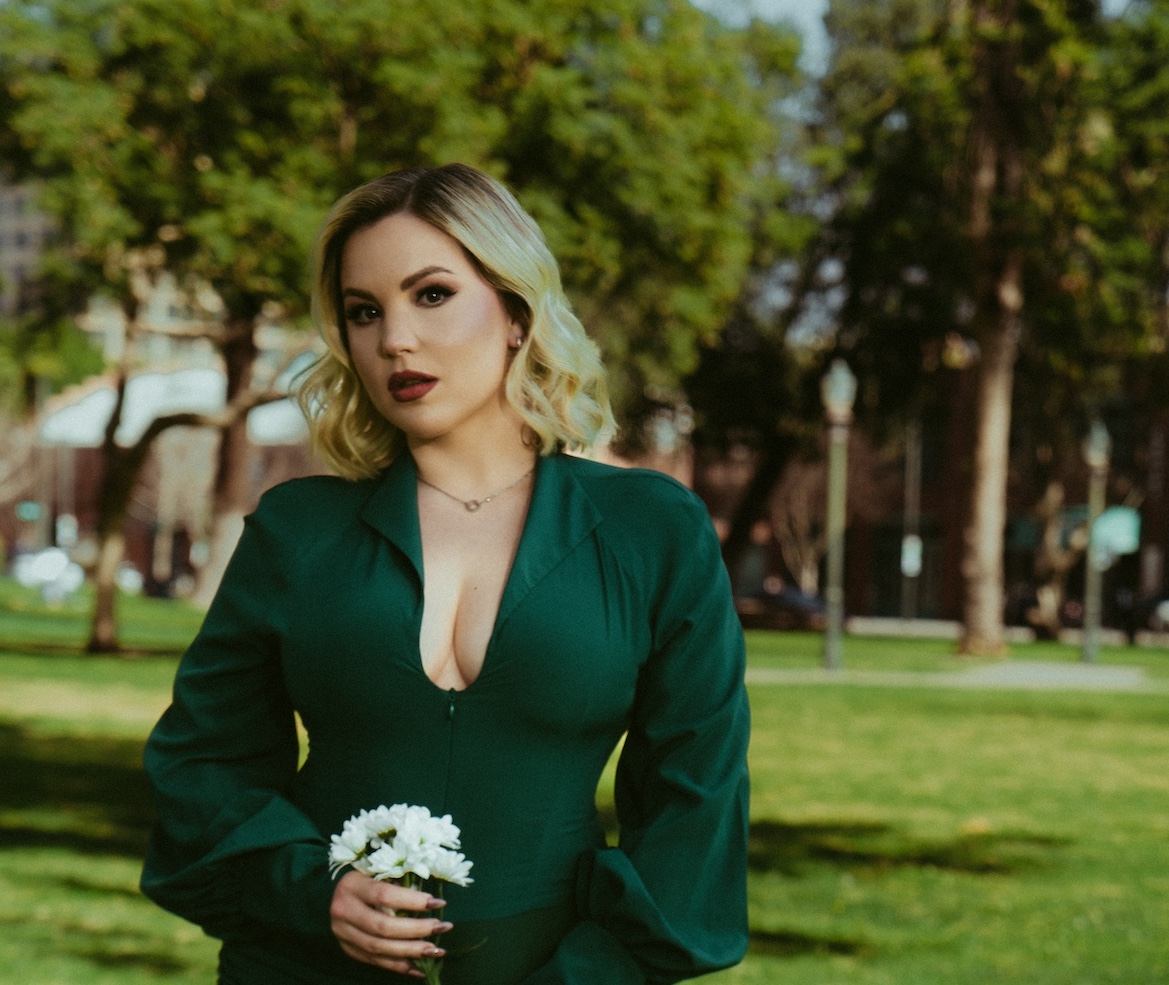
With her new single “Love Me Not,” Los Angeles–based pop artist Cooper Phillip steps into a new creative chapter defined by emotional restraint and atmospheric precision. Known for her modern blend of pop and R&B, Cooper continues to refine a sound built on contrast—vulnerability and control, softness and tension, stillness and movement. What anchors her artistry is her commanding voice, which carries emotional weight with precision even within the most stripped-back arrangements.
“Love Me Not” captures a suspended emotional state, where attraction forms in the mind before anything is confirmed in reality. The song inhabits that in-between space where imagination quietly builds meaning, and uncertainty becomes its own kind of intensity. That emotional depth is amplified by Cooper’s classical training, which informs both her vocal control and dynamic range, giving her delivery a rare sense of power and intention, reminiscent of classic powerhouse vocalists like Mariah Carey. With over 15 million streams across Spotify and YouTube and recognition from outlets such as WONDERLAND, American Songwriter, and Hollywood Life, Cooper continues to establish herself as a powerful voice in contemporary pop music defined by the ability to create entire worlds within a single song.
“Love Me Not” explores the space between imagination and reality in relationships. What inspired you to write about that specific emotional state?
I think some of the strongest emotions happen before anything actually begins. There’s this space where nothing is confirmed, but internally you’re already creating meaning, replaying moments, wondering if something exists or if you imagined it. I’ve always been fascinated by that emotional territory because it feels both beautiful and dangerous. As a person and as an artist, I’m very drawn to the unknown. I think explorers naturally are. Sometimes the most intense journeys happen entirely in your own mind.
You describe the song as existing before anything is “confirmed or known.” Why do you think people connect so deeply with imagined possibilities in romance?
Because possibility can be more powerful than reality. Possibility is projection. It’s hope. It’s your heart filling in missing pieces with everything you want to believe. We all do it. We don’t fall only for people—we fall for potential, for stories, for futures we invent. I think every human being knows that feeling of standing at the edge of something and wondering, “Could this become everything?”
There’s a real softness and restraint in the track. How intentional was the minimalism in both the production and vocal delivery?
Very intentional. Sometimes strength isn’t loud. Sometimes power is restraint. I wanted the song to feel like thoughts you almost say out loud. I didn’t want big vocal moments just because I could do them. I wanted space. Breathing room. Silence can be emotional too. I wanted listeners to lean toward the song rather than the song shouting at them.
Did writing “Love Me Not” help you better understand your own relationship patterns or emotional instincts?
Absolutely. Songs reveal things before your mind catches up. Sometimes I’ll write something and realize later, “Oh…that’s actually true about me.” I’ve learned I’m someone who feels deeply but also questions deeply. I’m always searching for meaning. That’s probably my explorer side—I don’t just want experiences; I want to understand why they happen.
What was the creative process like for this single compared to your previous releases?
This process felt quieter. Less about proving something and more about listening. Earlier in my career I think I focused on creating moments. Now I’m more interested in creating worlds and moods. I’m learning that not every song needs fireworks. Some songs are whispers.
Was there a particular lyric or moment in the song that unlocked the emotional direction for you?
The line: “I wonder if he loves me or he loves me not.” It sounds simple, almost innocent, but it unlocked everything. Because underneath it there’s uncertainty, hope, fear, imagination. It felt almost like picking flower petals as a child—but emotionally much heavier.
The song feels cinematic and intimate at the same time. Were there any visual inspirations behind it?BBBB
I imagined late-night Los Angeles. Driving with city lights reflecting through the window. Midnight thoughts. Empty streets. Maybe a little nostalgia. I’m inspired by moments that feel like you’re living inside your own movie. Not dramatic movies—quiet ones.
Your music often balances vulnerability with control. Why is emotional contrast such an important part of your artistry?
Because that’s what being human feels like. We’re rarely one thing. We’re brave and scared. Strong and soft. Moving forward while still looking back. I’m interested in tension. Heroes aren’t fearless—they move despite fear. That emotional contradiction is very real to me.
You’ve described your work as being built through mood and atmosphere rather than traditional storytelling. How do you approach songwriting from that perspective?
I usually start with a feeling instead of a plot. I ask myself: What does this emotion sound like? What room does it live in? What color is it? I build atmosphere first. I want listeners to step inside a world rather than simply hear a story.
Your sound blends contemporary pop and R&B in a restrained, emotionally precise way. Which artists or influences helped shape that identity?
I’ve always loved artists who can say a lot without saying everything. People who understand emotional space. I admire artists who create entire emotional environments—not just songs. I’m inspired by honesty, subtlety, and people who aren’t afraid of silence.
How has living in Los Angeles influenced your creative process and sonic direction?
Los Angeles is a city of dreamers and seekers. People come here searching for something bigger than themselves. I connect to that energy. There’s ambition here, but also loneliness. Beauty and contradiction. It reminds me a lot of music itself.
How do you know when a song says enough?
When it starts breathing on its own. When I stop trying to explain it. I think over-explaining can sometimes remove mystery. I want people to meet the song halfway.
Your music feels deeply personal while still remaining universal. How do you strike that balance?
The more honest you become, the more universal things get. Details make people feel something. Even if someone hasn’t lived your exact story, they recognize emotions.
With over 15 million streams across Spotify and YouTube, how has your relationship with your audience evolved over time?
I think I’ve realized connection matters more than numbers. I’m grateful for every listener because music is such a personal exchange. Someone gives you minutes of their life, their memories, their emotions. That’s not small.
What have you learned about yourself as an artist during this new chapter?
That I don’t need to rush. I used to think growth meant constantly proving yourself. Now I think growth means trusting yourself.
How has recognition from outlets impacted your confidence?
Recognition feels beautiful because it reminds you people understand what you’re trying to create. But I try not to let outside validation define direction. Exploration has to come from inside.
How do you approach connecting with fans online while maintaining authenticity?
I try not to perform perfection. I think people connect with humanity now more than polish. Authenticity isn’t strategy—it’s comfort with being seen.
What challenges have come with carving out a distinctive identity in today’s pop landscape?
There’s pressure to move fast and constantly be visible. But I think identity comes from consistency and courage. Heroes don’t follow maps. Explorers don’t either.
What’s one emotion you haven’t explored yet?
Joy without nostalgia. Pure joy. I think I’m interested in exploring what emotional freedom sounds like.
If “Love Me Not” had a color, season, or time of day, what would it be?
A deep midnight blue. Late summer. Around 1:00 AM. That moment where the world is quiet but your thoughts aren’t.
What’s inspiring you outside of music?
Travel. Conversations. Architecture. Human behavior. I’ve traveled to so many countries and I’m endlessly fascinated by how people love, dream, and express themselves differently. Exploration inspires me.
Is there a dream collaboration that would push you creatively?
I love artists who create worlds, not just records. People who aren’t afraid to experiment emotionally. I’m drawn to creators who challenge comfort.
What do you hope listeners take away after hearing “Love Me Not”?
I hope they feel understood. And maybe a little less alone inside uncertainty.
What does this new chapter of your artistry look like moving forward?
Freedom. Exploration. Bigger worlds. More honesty. I spent years becoming who people expected me to be. This chapter is about becoming more myself. The hero part of me wants growth. The explorer part wants discovery. I think this era lives somewhere between those two things.
Official website of Cooper Phillip.
About the Author