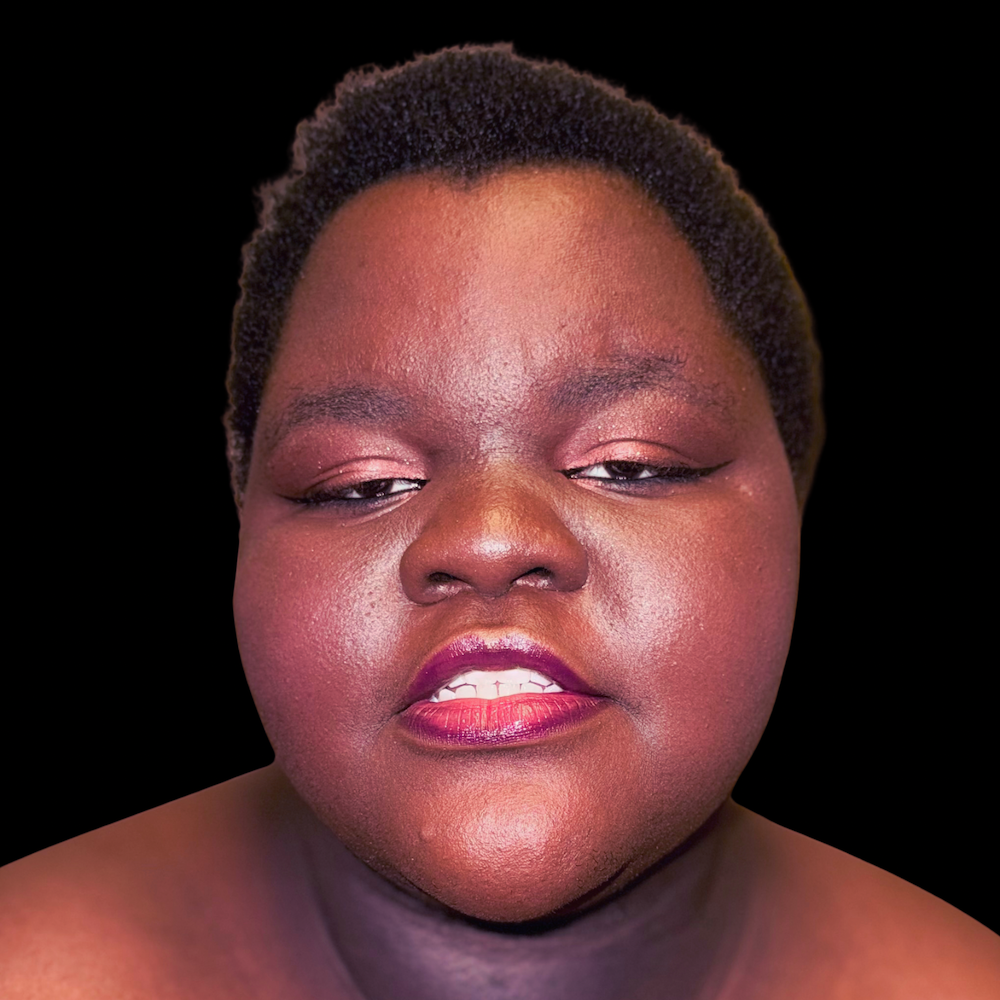
D'Leesa
The Atlanta-based artist builds a world of intimate synth-pop and queer tenderness—crafted entirely from her bedroom, where DIY ambition meets emotional honesty.
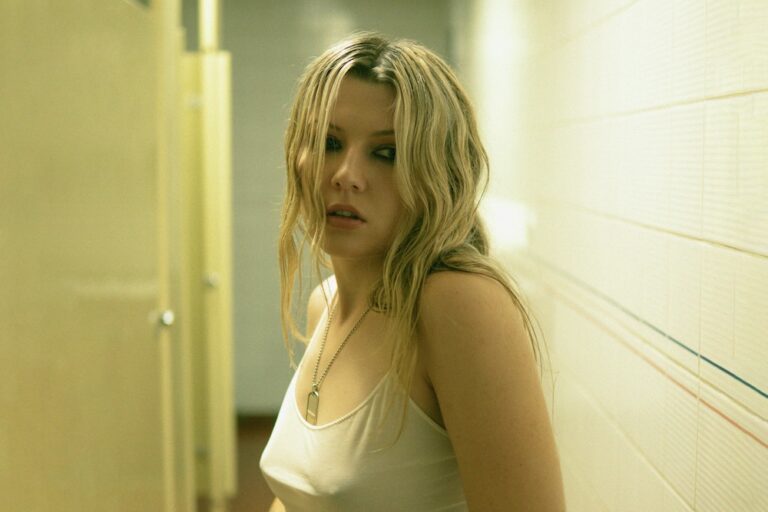
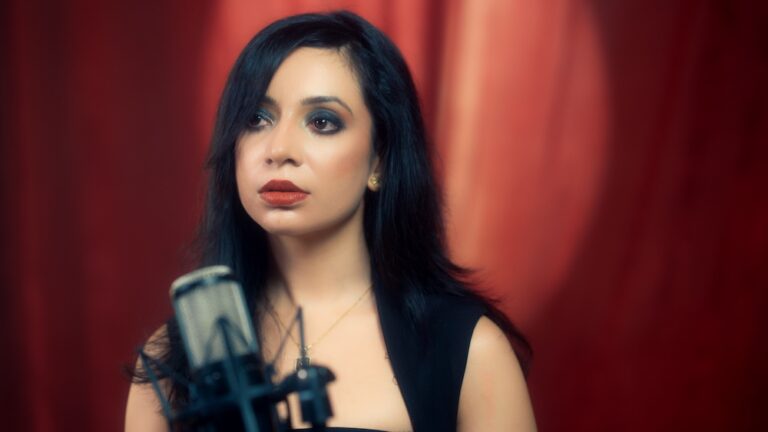
In an era where hyper-curated pop often feels emotionally distant, D’Leesa is emerging as a name to watch—an artist carving out a space that feels intimate and unmistakably her own. The Atlanta-based artist describes her sound as “soft sapphic soul,” a fitting phrase for music that drifts between nocturnal synth-pop and lush harmonies that ache with yearning. Her songs carry the kind of raw emotional immediacy that can’t be manufactured. Tracks like “Higher,” “Oh,” and “Digital Girl” have already amassed hundreds of thousands of streams, drawing listeners into a world rooted in sensuality and sincerity. Long before she embraced pop, she was navigating familial pressure, self-doubt, and the fear of openly expressing her identity through art. Now, with a growing audience across streaming platforms and social media, she’s building a fully independent career on her own terms.
What may surprise listeners, though, is that D’Leesa is a true bedroom pop artist in every sense; behind the impeccable production is a completely self-taught musician recording vocals in her bedroom—and sometimes her bathroom—while producing, mixing, and mastering songs herself on GarageBand mobile. Entirely independent, she has built her world from the ground up, pairing DIY visuals with intentional glamour and deeply personal songwriting. As she prepares to bring her music into live spaces for the first time, D’Leesa spoke with us about creative freedom, failed dating apps, late-night whisper recordings, and the healing power of making openly joyful, romantic pop music.
What first inspired you to start making music? When did you begin composing songs?
I first started writing songs when I was about six years old. I naturally was always drawn to the arts. Through my adolescence though, I stopped creating because I felt pressure to take the traditional STEM route. But in 2023, after I graduated high school, I started back doing music and taught myself to produce on GarageBand mobile. I’ve been making and uploading my songs ever since.
How would you describe your sound to someone hearing you for the first time?
I’m very eclectic so I like to describe my music with the phrase soft sapphic soul. Sometimes I’m more acoustic whereas other times, my music is electronic and dark. But regardless of the sonic production, the soft sapphic soul core stays.
Who are some artists that shaped your style?
I love Lauryn Hill and Michael Jackson. Also, Britney Spears, Whitney, Mariah, and Fleetwood Mac. A little bit of everybody.
What emotions do you usually pull from when writing songs?
Definitely yearning.
Do lyrics or melodies come to you first?
Melodies come to me first. Sometimes I start with funny phrases that make no sense just so I can remember the melody. Later on I refine the lyrics. When I first got the melody for “Digital Girl,” the chorus started as “you treat me like a basket case, like I’m a disgrace — I’m just so crazy.” Later, it became “no I’m not a digital girl, no touchscreen world, need you in my space.” Total 180.
Do you handle production yourself or have collaborators? What’s your creative process like in the studio?
I do everything myself. Wow, I’m so flattered that you think I record in a studio. I record in my bedroom — sometimes the bathroom — and then mix and master it all. Sometimes, I wake up to music in my head. Other times, I’ll strum on my acoustic guitar until I get melodies. Each time I fully produce a song, I’m lying in bed, on my phone, tapping out what I hear in my head in GarageBand.
Which of your songs feels the most personal to you?
My song “Higher” definitely feels most personal to me. That was the start of D’Leesa, which is my middle name. My name is actually Cassidy Dzoole, and before “Higher” I released music under my government name. It was sad, depressing, indie rock about familial pressure, self-image struggles, etc. I didn’t really like that type of music, but I thought it would make me respected. “Higher” was the first time I let loose and sang what I wanted to sing. It was my first ever pop song, love song, and openly gay song. I remember whisper-singing at 3 AM being so scared my mom would hear me because I wasn’t out yet. I recorded the second half of the song when she was away on a road trip, which let me belt more freely. As soon as I finished mixing and mastering it, she walked through the front door. Seeing how well-received “Higher” was very emotional and encouraged me to keep going with music and with being myself.
We were very impressed by your song Digital Girl. What was the inspiration behind it?
The inspiration behind “Digital Girl” was my failed attempts at dating apps. I encountered so many bots and scammers and kept feeling pressured to pay to find a partner. I got sick of it and just decided that it wasn’t for me. Later on, I ended up meeting someone interesting while out at a jazz club, and the chemistry inspired the lyrics.
What challenges have you faced as an independent artist?
As an independent artist, you have to wear many hats. I sing, write, produce, and market myself, and it was never really by choice. I knew that if I wanted to release music, I couldn’t wait to be saved — I had to start on my own. It gets tiring but I love it so much and to see that people resonate with my art makes me happy.
Is there a song you almost didn’t release but ended up loving?
I almost did not release “Oh.” I was scared that it was too bold and dirty, so I wasn’t going to put it out. But it was so catchy to me, and I knew it had potential. I think it’s hilarious because “Oh” is currently my most streamed song, and I almost didn’t let it see the light of day.
What’s your favorite part about making music?
My favorite part about making creating is being able to listen to the type of music that I’ve always wanted to exist. Like I’ve always wanted to hear songs that blatantly centered happy lesbian love. I’ve wanted to hear a female voice sing “girl” romantically, so to be able to make those types of songs is very healing for me and I hope others LGBTQ+ members, too.
How do you handle creative blocks?
When I have writer’s block, I rest and return to the physical world. I delete social media for a bit and just live life and get some fresh air. Having fun is just as important as working.
What can listeners expect from you next?
My listeners can expect for me to start performing live later this year. I’m working on planning a concert in Atlanta and afterwards, I’ll begin touring. I’m so excited at the thought of meeting them and us connecting in the physical world.
About the Author