ROREY
The singer-songwriter explores the intense emotions, nostalgic production, and painful self-awareness that shaped her latest release
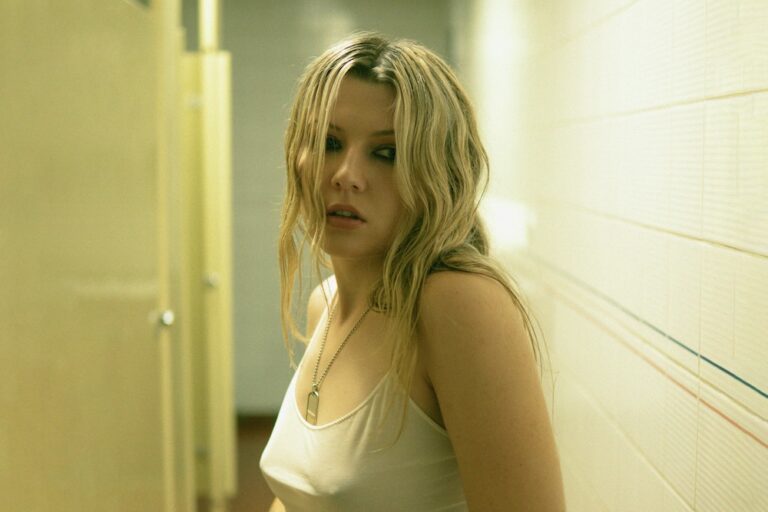
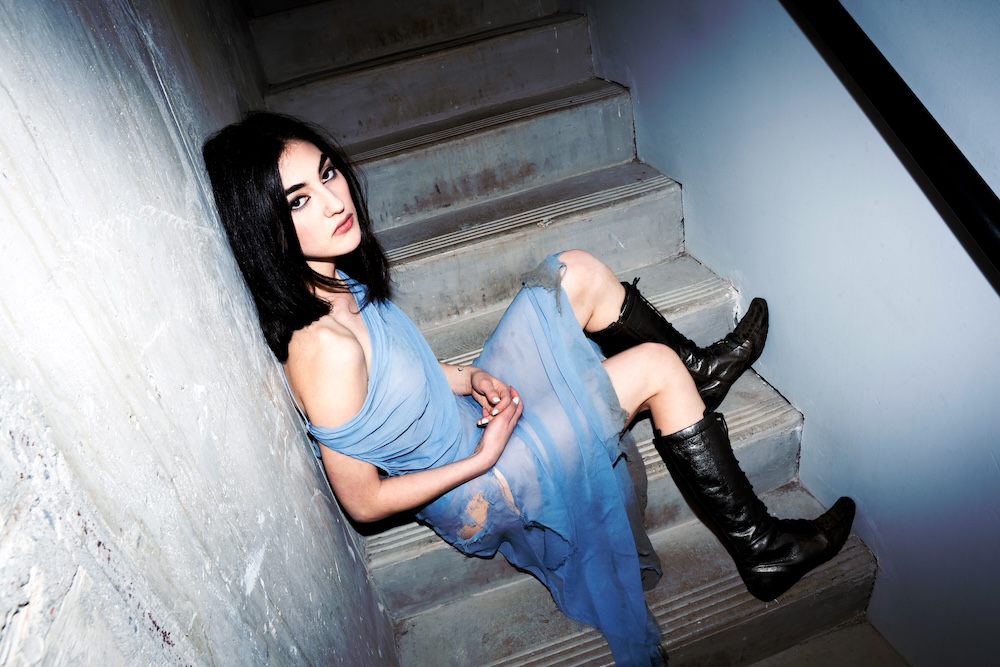
With every release, ROREY sinks deeper into the beautiful wreckage of love, obsession, and emotional self-destruction. The New York–based artist has built her world around contradictions — tenderness wrapped in chaos, intimacy tangled with heartbreak, desire colliding headfirst with the fear of losing herself. Pulling from the moody textures of ’90s indie pop and alt-rock, her music carries flashes of Garbage’s dark-edged sensuality and the raw emotional vulnerability that made Natalie Imbruglia such a defining voice of late-’90s heartbreak. But ROREY filters those influences through something diaristic, volatile, and entirely her own. Through cinematic production, razor-sharp lyricism, and vocals that feel simultaneously fragile and feral, ROREY turns personal devastation into something hypnotic. Her writing leans into emotional gray areas rather than resolution, offering an unfiltered look at love in its most destabilizing forms.
Her latest single, “Sudden Death,” captures that spiral in real time. Fueled by distorted guitars, dreamlike textures, and an undercurrent of emotional panic, the track lives in the split second where longing overrides logic and surrender feels inevitable. It’s the latest chapter leading into her forthcoming album Temporary Tragedy — a project rooted in the painful reality that love alone isn’t always enough to make people stay. Across the record, ROREY dissects incompatibility, abandonment, queer heartbreak, and the lingering ghosts of relationships that continue emotionally long after they’ve collapsed in real life. In our conversation, she opens up about falling too hard, processing emotional chaos through songwriting, and why some wounds never fully close.
“Sudden Death” feels emotionally immediate and consuming. What moment or realization sparked the song?
I was texting my crush when the red light turned green and almost crashed my car. That’s how the first verse was born, but it’s also a metaphor because we’d broken up but now had the “green light” to go. In general, I couldn’t wait to see her again, and that’s where that urgency comes from. It had been 5 months.
You described the track as admitting defeat before the game even begins. Why were you drawn to that emotional surrender?
It wasn’t a choice. I was falling in love with her, and it terrified me. I felt like I was fucked from the start. I knew whatever happened, I was gonna lose to my feelings for her.
There’s a tension in your music between intimacy and destruction. Why do you think those themes coexist so naturally in your songwriting?
Because all of my relationships end in some form of emotional destruction and ego death. I am working on it. It’s not intentional. I just write from a direct feeling. People always ask, “When are you gonna write a happy song?” and I’m like, I really dont know hahaha.
“Sudden Death” explores obsessive memories and projection. Was writing the song cathartic, or did it force you to relive difficult emotions?
It’s funny though because when I recorded the vocals in Japan months later, we weren’t talking, and I think my vocal delivery gave the song this bittersweet nostalgic memory vibe instead of something exciting and new. The demo vocals are completely diff.
Sonically, the song balances grit-laced guitars with dreamlike textures. How intentional was that contrast? Which artists influence you in your sound?
I have to give my producer Franco Ried credit for that! He really nailed it. We went back and forth on the vibe for a long time, and I’m glad I conceded and went with his direction.
Your music often lives in emotional gray areas rather than clear resolutions. Do you feel comfortable leaving questions unanswered in your art?
Yes, but in real life it’s hard.
The forthcoming album Temporary Tragedy seems deeply centered on incompatibility despite love. What drew you to explore that particular kind of heartbreak?
From my lived reality. I didn’t know how else to process someone saying, “I love you, but I can’t stay,” and disappearing like it was virtuous. I have never experienced anything like it, and I wouldn’t wish it on anyone. I wrote from a lot of different emotional angles on this album while I coped.
Mental health themes appear throughout your work. What conversations do you hope your music opens up for listeners?
That it’s ok to feel complicated emotions. You don’t have to hide when you feel messy. We contain multitudes.
The “Temporary Tragedy” video touches on queer love and emotional distance in a very intimate way. Why was it important to tell that story visually?
I wanted a living record of a love that deeply mattered to me because I didn’t get that mutual recognition in the end. It was my telling of the relationship.
Your music has this hypnotic immersive quality. What artists or sonic influences helped shape that atmosphere?
My lyrics shape the sound honestly. I want the sonic experience to match the emotion. Words can stand alone, but the music behind them is everything and guides the experience. I do sometimes bring in a reference or two though.
You’ve earned great support from the press. Has external recognition changed your relationship with making music at all? Has that visibility affected the way you approach making music or releasing new work?
It hasn’t changed anything for me creatively, but it has felt unreal to be recognized for my songwriting. I put so much of myself into my lyrics. It’s cool that the intention and meaning of them come through.
Many of your songs wrestle with longing and emotional contradiction. Do you think songwriting helps you understand your feelings or intensifies them?
It totally helps me understand my feelings. I love writing songs and bringing them into sessions. I love producing out the song, but past a certain point it’s cathartic until it’s not. Mixing my music is when I get genuinely retraumatized because by then I’ve processed it and then have to listen to them over and over again. It’s honestly rough.
There’s a recurring theme of self-abandonment in your recent work. What does choosing yourself look like today compared to when these songs were written?
I’ve just stopped bridging the gap in relationships I didn’t create. It’s hard, but I cannot go backwards to bring someone forward. I’ll lose myself. I want to be met where I’m at.
About the Author